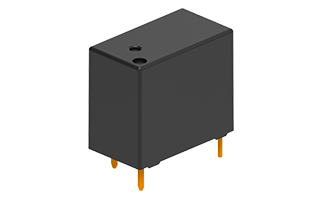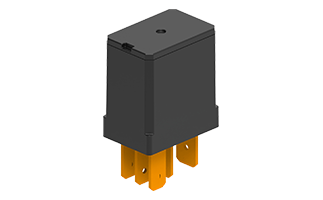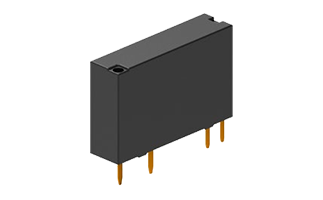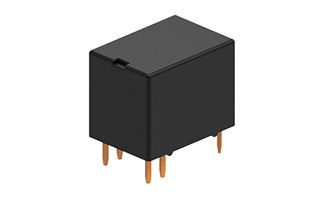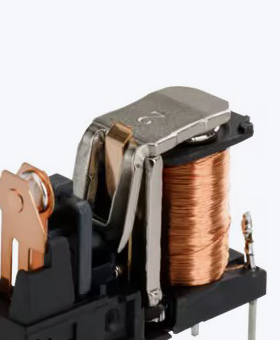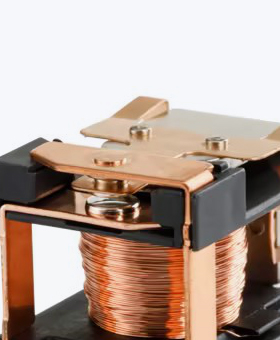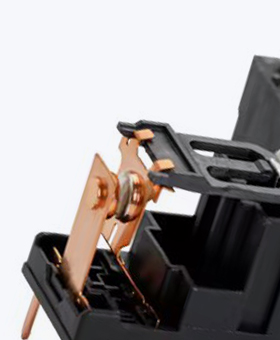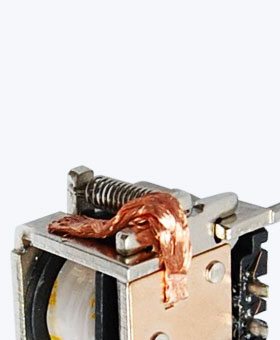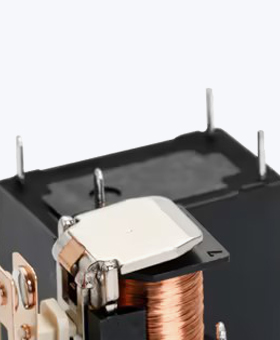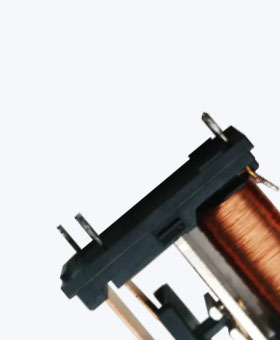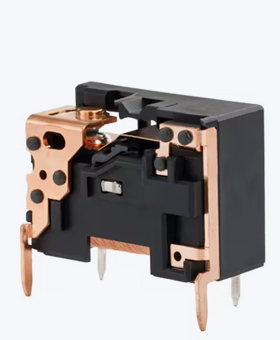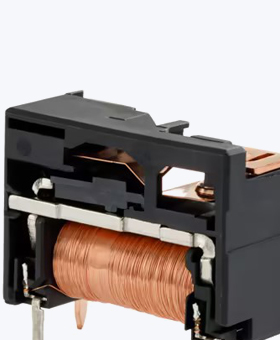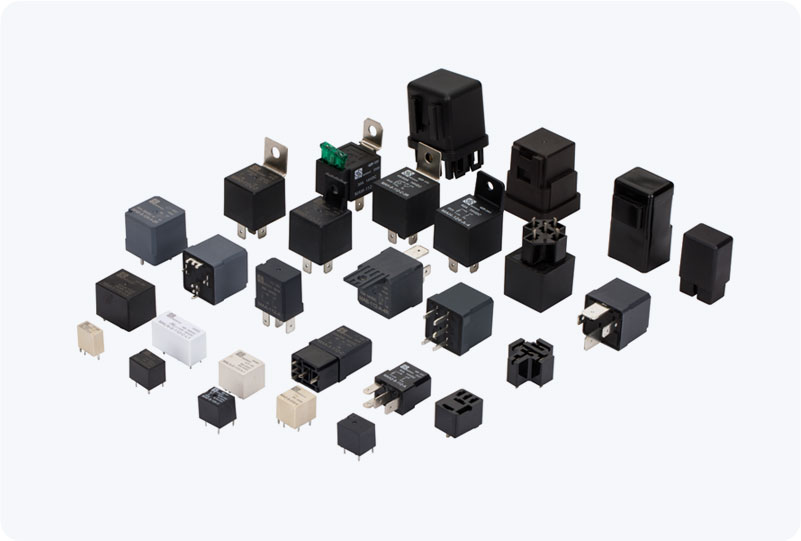
Relay Overview

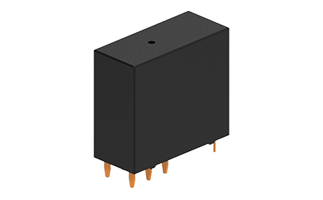
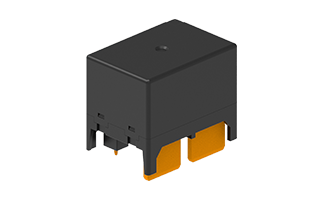
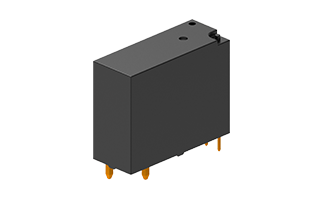
Relay is an electrical switch device that controls one circuit by using electromagnetic induction to open or close another circuit. They are widely used in various application fields, including power systems, automation, automotive, and electronic devices, providing electrical isolation and reliable switching functions, enhancing circuit safety and flexibility.

Our solution is designed specifically to address a variety of issues related to circuit control, protection, and automation, and it is applicable to a wide range of industries and application areas.

Certification
  • ISO14001
  • ISO9001
  • TUV
  • VDE
  • UL
  • CE
  • CQC
  • Product Features
    • Complete Product Specifications
    • Long Lifespan Stable Performance
    • Small Size, High Current
    • Nergy Conservation & Environmental Protection
    Types of Relays
    in Meishuo
    Meishuo, as a high-quality global relay supplier, offers a wide range of products, continuously innovates, and uses increasingly smaller relays to control larger currents, meeting market demands.
    What are Meishuo Relays used for?
    MEISHUO offers a variety of relays to meet different application requirements. Ranging from 1A to 200A, MEISHUO's relays are commonly used in the following industries.
    • Household Appliances
      Relays are used to control and coordinate functions like circuit control, temperature control, and motor control in household appliances, ensuring the reliability and performance of the devices.
    • Smart Home
    • New Energy
    • Smart Grid
    • Automotive Industry
    • Communications IOT
    Relay Components
    17+Years Experienced Relays Manufacturers
    We are committed to becoming the preferred supplier for electrical equipment customers.
    • Quality Control
      We subject each product to three manual inspection processes to ensure a PPM3 or lower.
    • Customization Service
      We have engineers and a technical team with years of manufacturing and design experience to ensure our products meet your application standards & requirements.
    • Cost Efficiency
      We have 45 fully automated production lines and continuously optimized manufacturing processes to reduce costs, making our products more competitive.
    • After-Sales Service
      We are committed to becoming the preferred supplier for electrical equipment customers.
    FAQ
    Meishuo professional technical team for you to answer more product questions
    • What do I need to pay attention to when I need to perform surface treatment in order to prevent oxidation of the insulation of printed boards?
      Dust cover type and solder resist type may cause malfunction due to surface treatment agent geting inside the relay, so do not performsurface treatment or install the relay after surface treatment.bome surace treatment agents may have an adverse eect on the relay, such as dissolving the housing, so please select them caretulland check them during actual use.Whenever possible, use the spraying or brushing process for surface treatment, and do not use the dip-coaing process. Use liquidsurface treatment agent at room temperature as much as possible, and spray the surace treatment agent only when the relay is cooleddown to room temperature. The surface treatment agent can be dried naturally, it can also be dried at a constant temperature, but thedrying temperature should not exceed 60*. it is also forbidden to lower the drying temperature before the surface treatment agent isdried, otherwise the surface treatment agent may be sucked back into the relay and fail.When special surface treatment process is used, please contact us for confirmation in order to provide suitable products.
    • What are the relay safety precautions?
      Key precautions include:·De-energize circuits before handling or wiring.·Use appropriate personal protective equipment (PPE).·Ensure correct voltage/current ratings for coil and contacts to prevent overheating/arcing.·Implement proper insulation and guarding for high-voltage applications.·Provide adequate ventilation if relays generate significant heat.·Follow lockout/tagout procedures during maintenance.
    • What is the recommended minimum applicable load for general purpose relays?
      We recommend a minimum load of 10mA at 5V DC or 100mA at 24V DC for reliable contact performance. Applying loads significantly below this ("dry circuit" conditions) risks contact failure due to insufficient current to break through oxidation film buildup.
    • What is the significance of the maximum allowable coil voltage?
      Exceeding the maximum coil voltage can cause:·Overheating damaging insulation or coil wire.·Premature failure due to excessive electromagnetic force.·Magnetic saturation, reducing performance efficiency.Always operate within the specified coil voltage range for reliability and longevity.