understanding the functionality and applications of normally closed solenoid valve
Release time:2025-09-13 06:03:24
A Normally Closed Solenoid Valve (NC Solenoid Valve) is a crucial component in various fluid control systems. Whether in industrial automation, HVAC systems, or safety mechanisms, these valves regulate the flow of fluids or gases by leveraging electromagnetic principles. As the name suggests, the valve remains closed by default, allowing for safe and controlled operation. In this article, we will explore the basic working principle, applications, and benefits of NC solenoid valves, providing a comprehensive understanding of their importance in modern control systems.
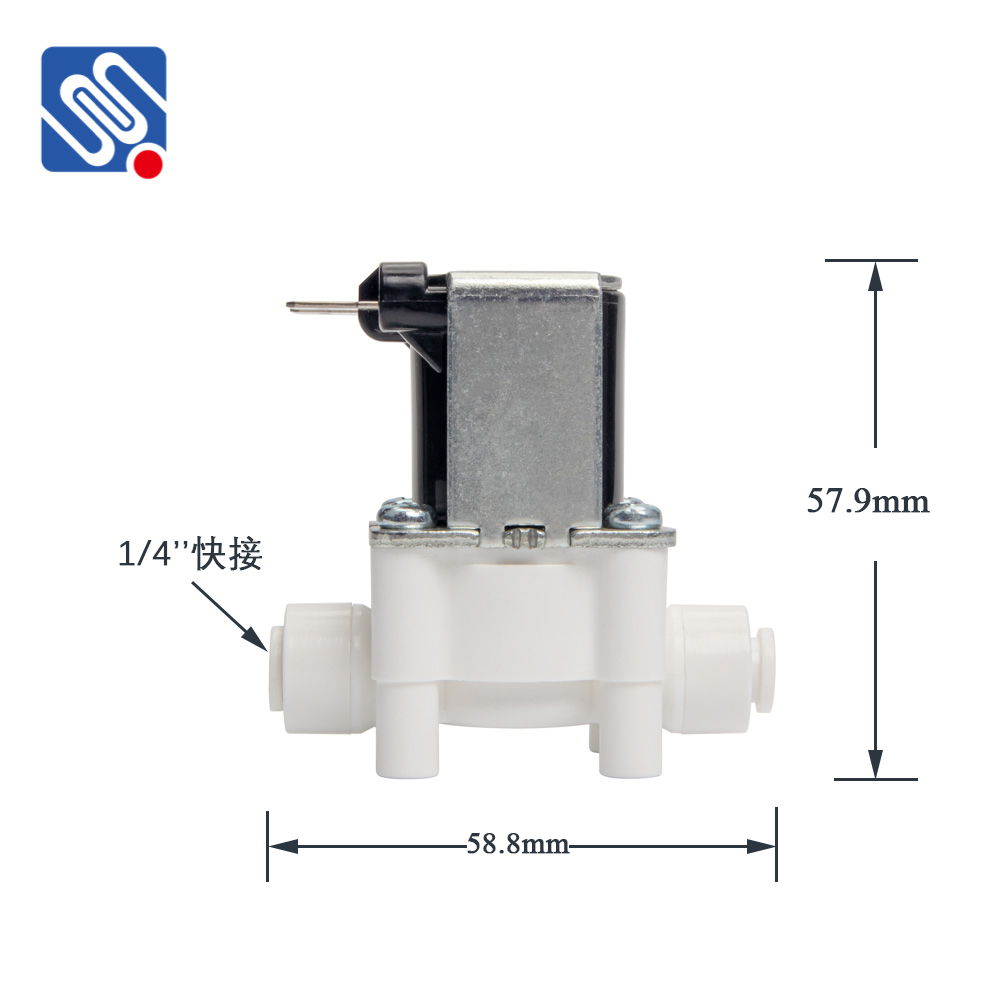
Working Principle of Normally Closed Solenoid Valves The Normally Closed Solenoid Valve operates based on a simple principle of electromagnetic actuation. In its default state, the valve is closed, which prevents the flow of fluids through the valve. This is achieved by a spring-loaded mechanism or a plunger that blocks the flow path. The "normally closed" designation means that under regular conditions, the valve remains in the closed position, and no flow occurs. When an electric current is supplied to the solenoid coil, it generates a magnetic field that pulls the plunger or shifts the valve mechanism, opening the flow path. As a result, fluids (liquids or gases) can flow through the valve. When the current is removed, the magnetic field dissipates, and the spring force returns the valve to its closed position, cutting off the flow once again.




 Chat Oline