understanding relay load: types, applications, and considerations
Release time:2025-09-16 17:40:31
Relays are essential components in various electrical and electronic systems, serving as switches that control high-power circuits with low-power control signals. In this context, the term "relay load" refers to the load or device that a relay controls or switches on and off. Understanding the characteristics of relay loads is crucial for selecting the right relay for a given application and ensuring reliable system operation. This article explores the different types of relay loads, their significance, and key considerations when using relays in electrical circuits.
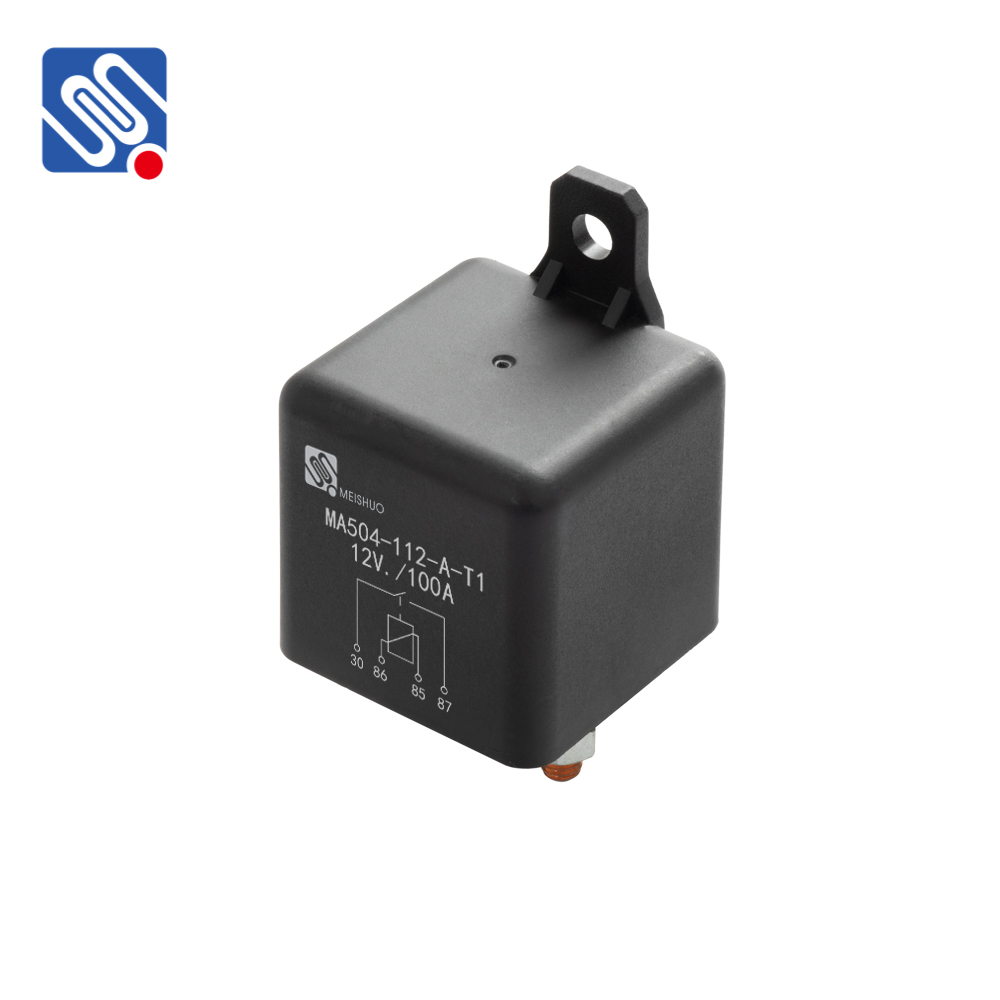
What is Relay Load? A relay load is the electrical device or circuit that a relay is used to control. The relay itself operates as an electromagnetic switch that opens or closes contacts to either connect or disconnect a load. Typically, relays are used to control devices that operate at higher voltages or currents than the control circuit, such as motors, lights, or heating elements. In this way, relays enable safe and efficient control of high-power devices using low-power signals. Types of Relay Loads Relay loads can be broadly categorized based on the nature of the electrical current they involve. The most common types of relay loads are:




 Chat Oline