understanding relay stability and its importance in control systems
Release time:2025-11-20 17:26:28
Relay stability is a crucial concept in control systems, particularly those involving relay-based switching mechanisms. In systems where relays are used for controlling various processes or feedback loops, ensuring stability is paramount. When not properly designed or controlled, relay systems can exhibit instability, causing undesirable behaviors such as oscillations, overshoot, or inefficient performance. This article explores the concept of relay stability, its challenges, and some methods to address instability in relay-based control systems.
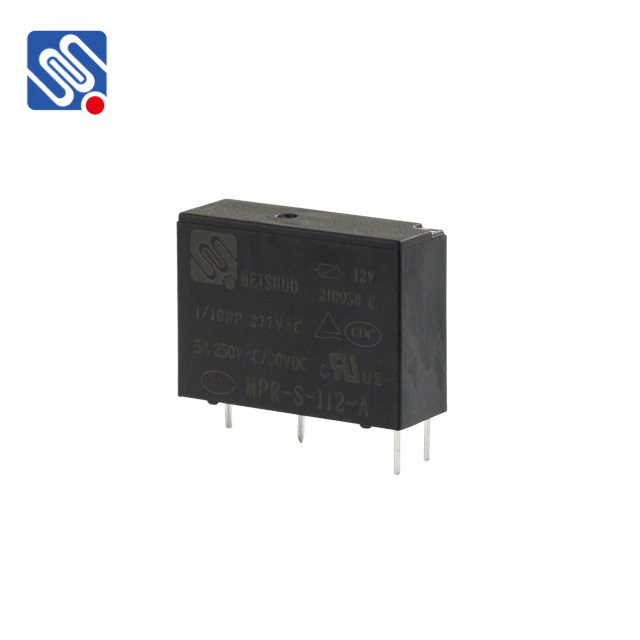
What is Relay Stability? Relay stability refers to the ability of a system utilizing relays to maintain consistent and stable behavior during its operation, particularly when switching between on and off states. Relays are essential components in many automation and control systems, enabling the control of electrical circuits, machinery, and other processes by switching between two distinct states. The key challenge arises from the non-linear nature of relays, which can cause instability when the system is not appropriately tuned. A relay typically operates by opening or closing a circuit when an input signal crosses a certain threshold. This behavior can result in sharp changes in the system's output, and if the relay is part of a feedback loop, it can lead to oscillations or sustained undesirable behavior. These oscillations occur because the system may rapidly switch between states without settling, which undermines system performance.




 Chat Oline