the importance and applications of water solenoid valves in modern systems
Release time:2025-11-29 02:24:47
Water solenoid valves play a crucial role in the automation of fluid control systems, offering efficient solutions to regulate the flow of water in various applications. These valves utilize the principles of electromagnetism to control the opening and closing of a valve, making them indispensable in industries ranging from irrigation to water treatment. In this article, we will explore the working principle, types, applications, and benefits of water solenoid valves, shedding light on why they are essential components in many modern systems.
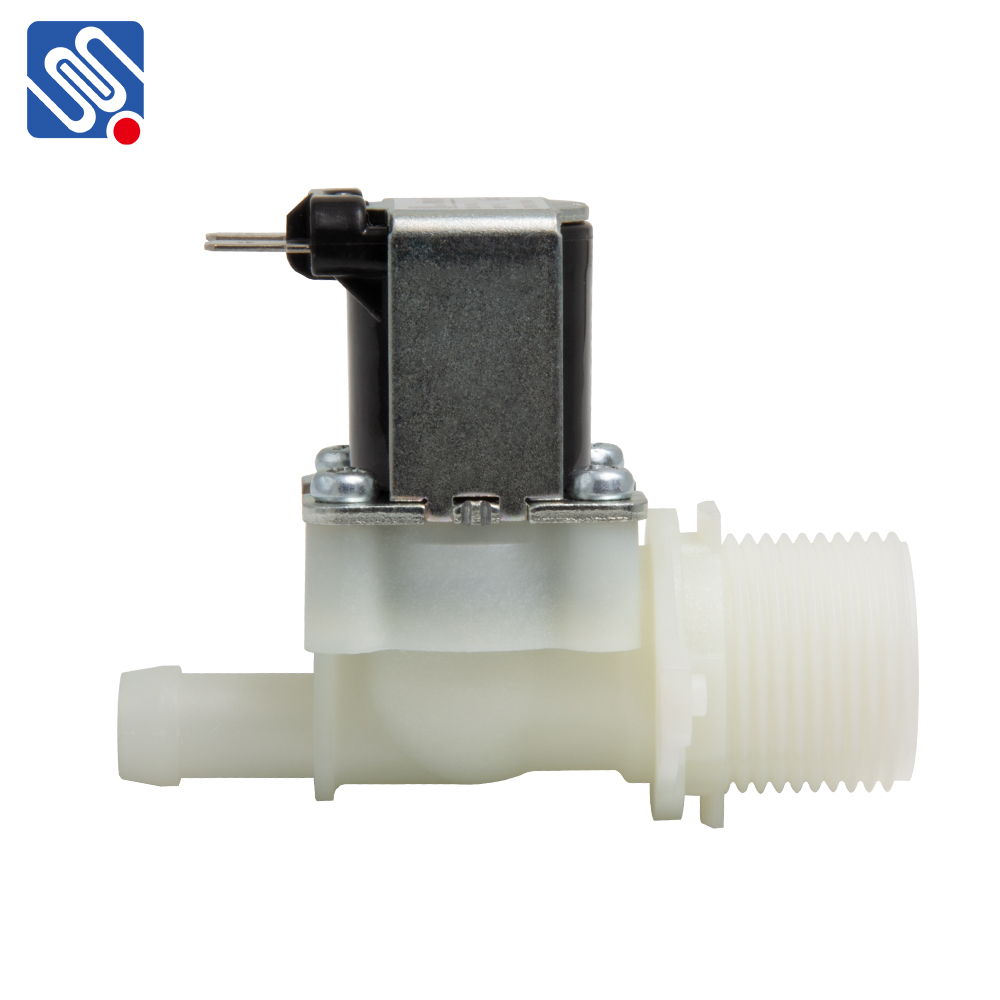
Working Principle of Water Solenoid Valves A water solenoid valve operates using an electromagnetic mechanism. It consists of a solenoid (an electromagnetic coil), a valve body, a plunger or valve core, and a spring. When an electric current is passed through the coil, it generates a magnetic field that pulls the plunger towards the coil, causing the valve to open or close, depending on the valve's configuration. In most solenoid valves, there are two main types: normally closed (NC) and normally open (NO). A normally closed valve remains closed when the power is off, and only opens when an electric current is supplied. Conversely, a normally open valve stays open when there is no power and closes once the current flows. This basic principle allows solenoid valves to provide precise control over water flow, responding quickly to electrical signals.




 Chat Oline