understanding relay signals: applications and mechanisms
Release time:2025-11-29 02:48:29
Relay signals are an essential aspect of electrical and automation systems, serving as the backbone of many control and protection mechanisms. A relay is a device that allows an electrical circuit to be controlled by a low-power signal, activating or deactivating a higher-power circuit. By understanding the operation and applications of relay signals, one can gain a deeper insight into how complex electrical systems are managed and safeguarded in both industrial and everyday settings.
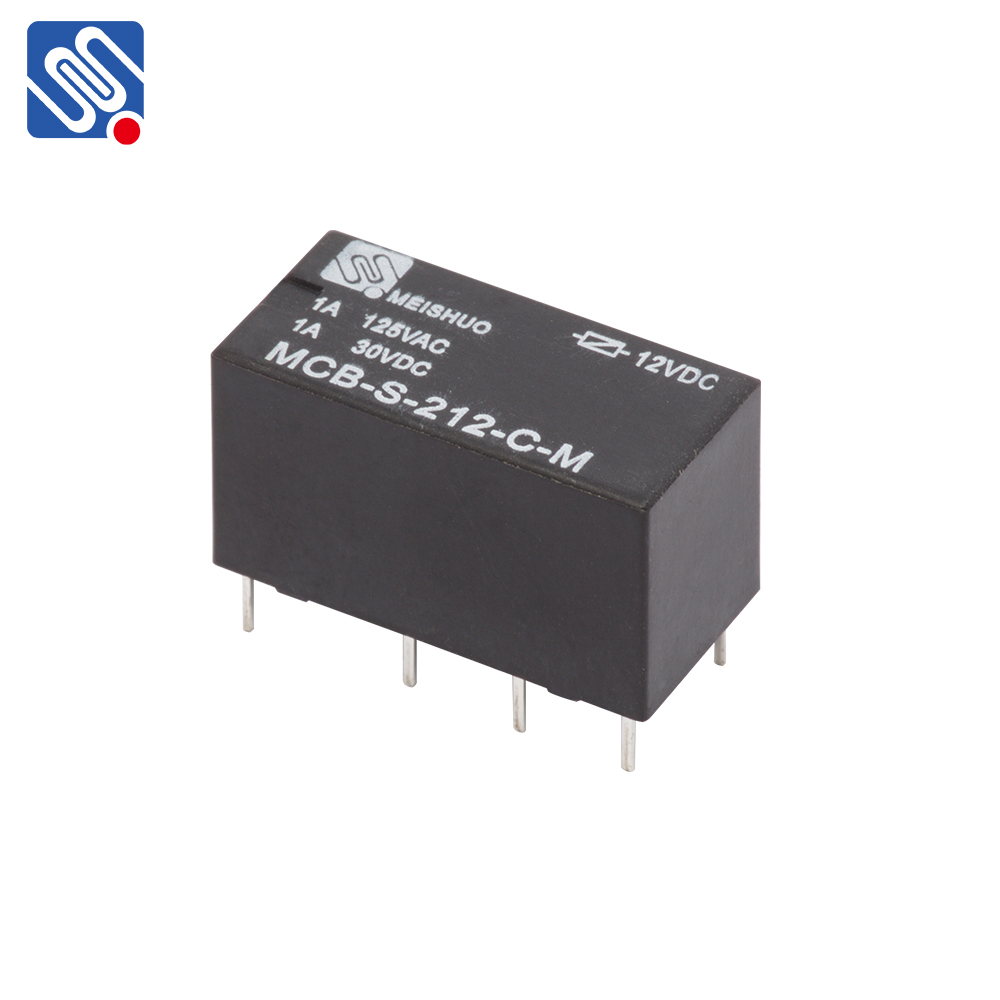
What Are Relay Signals? Relay signals refer to the signals that pass through a relay to control an electrical circuit. A relay is essentially an electrically operated switch. The primary function of a relay is to use a small electrical current (control signal) to control a larger electrical current in another circuit. This is done using an electromagnet that, when energized by the control signal, either opens or closes the contacts of the relay, allowing or cutting off the flow of current. The relay consists of three main parts: Electromagnet: When a control signal (usually low voltage) is applied, it energizes the electromagnet.




 Chat Oline