


The Filtration System Solenoid Valve is a crucial component in many modern filtration systems, offering automated control of fluid flow to ensure efficient and reliable operation. These valves utilize electromagnetic technology to control the passage of liquids or gases through a filtration unit, playing a vital role in industries ranging from water treatment to pharmaceuticals and chemical manufacturing. This article explores the key features, applications, and benefits of Filtration System Solenoid Valves, highlighting their importance in optimizing filtration processes.
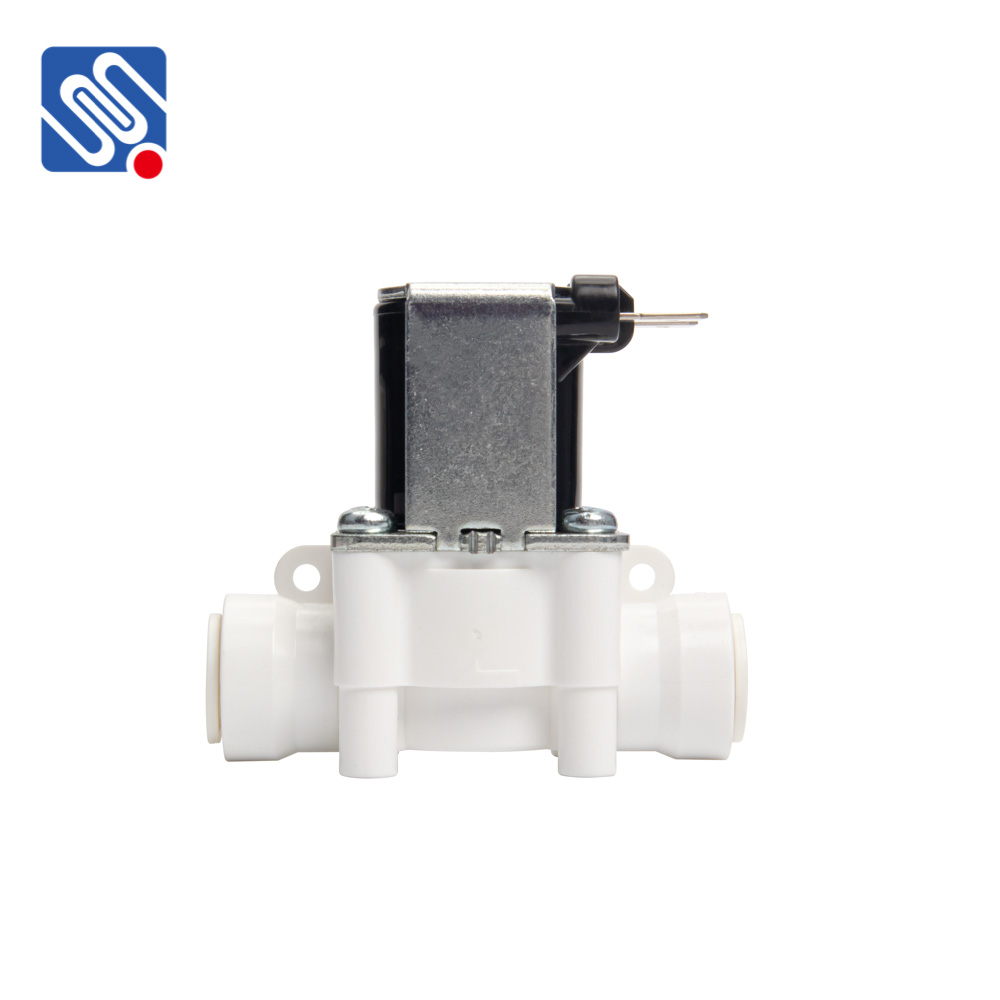
A Filtration System Solenoid Valve is an electrically controlled valve that uses a solenoid coil to open or close a valve mechanism, regulating the flow of liquids or gases in filtration systems. When the solenoid coil is energized by an electric current, it generates a magnetic field that moves the valve's plunger or diaphragm. This action either opens or closes the valve, allowing or restricting the flow of fluid through the filtration unit.
These valves are often used in systems where precise and automated control of fluid flow is required. They are available in various designs, including normally open (NO) and normally closed (NC) configurations, depending on the specific needs of the filtration system.

 Chat Oline