understanding time relay: applications and working principles
Release time:2025-11-29 07:05:28
Time relays, also known as time-delay relays, are essential components in electrical and automation systems. These devices are designed to control the operation of electrical circuits based on a predetermined time delay. Time relays play a crucial role in automating processes, ensuring that equipment operates within specific time frames, which is critical in both industrial and residential applications. This article will explore the working principles of time relays, their types, applications, and importance in modern automation systems.
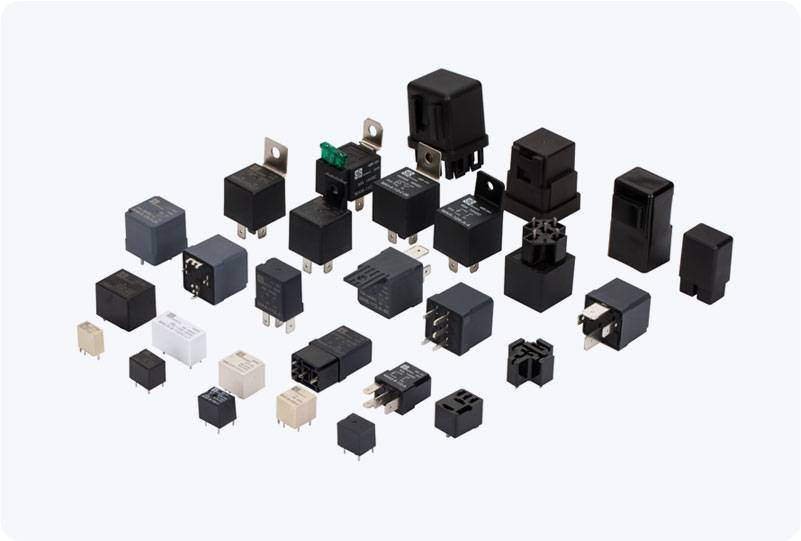
What is a Time Relay? A time relay is a type of relay that controls the switching of an electrical circuit after a set delay. Unlike standard relays, which act instantaneously when triggered, time relays introduce a delay either in activating or deactivating a connected load. This delay can be programmed based on the needs of the system, making time relays highly versatile in various applications. The operation of a time relay is governed by an internal mechanism, which could either be mechanical, electro-mechanical, or digital. The primary function is to delay the activation or deactivation of a connected circuit. Time relays typically consist of a timer, a relay switch, and an adjustable dial or digital interface to set the delay time.




 Chat Oline