understanding relay technology: applications and advancements
Release time:2025-11-29 12:10:13
Relay technology, the use of electromechanical or solid-state devices to control electrical circuits, plays a critical role in modern electrical and electronic systems. A relay is a switch that opens or closes a circuit based on a control signal, typically an electrical current. Over the years, the evolution of relay technology has greatly impacted various industries, from automation to telecommunications, offering improved reliability, efficiency, and safety. This article explores the fundamentals of relay technology, its types, applications, and recent advancements.
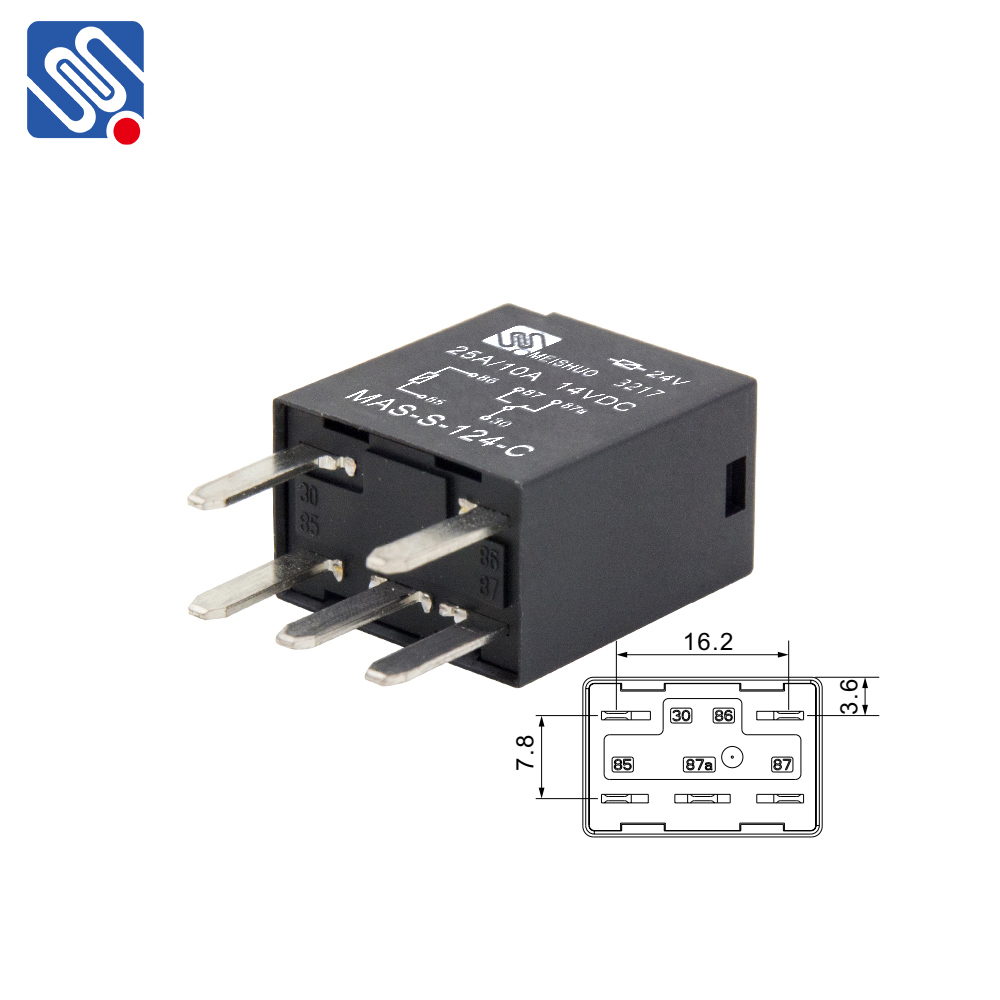
Fundamentals of Relay Technology A relay operates by using a small electrical current to control a larger current in a circuit. When a control signal is applied to the relay’s coil, it generates a magnetic field that pulls or pushes a set of contacts to either open or close the circuit. This simple mechanism allows a relay to control high-power circuits with low-power signals, making it an essential component in many applications. Relays are typically composed of four main parts: Coil: A wire wound into a coil, which generates a magnetic field when current flows through it. Armature: A movable iron piece that is attracted or repelled by the magnetic field created by the coil.




 Chat Oline