understanding the importance and functionality of safety isolated relay in electrical systems
Release time:2025-11-29 18:30:22
Safety Isolated Relay is a critical component used in modern electrical systems, particularly in industrial automation, process control, and machinery safeguarding. These relays play an essential role in ensuring the safety and reliability of electrical circuits by providing electrical isolation and safeguarding against potential hazards. In this article, we will explore the core functions, applications, and importance of Safety Isolated Relays in various settings, shedding light on how they contribute to the protection of both equipment and human operators.
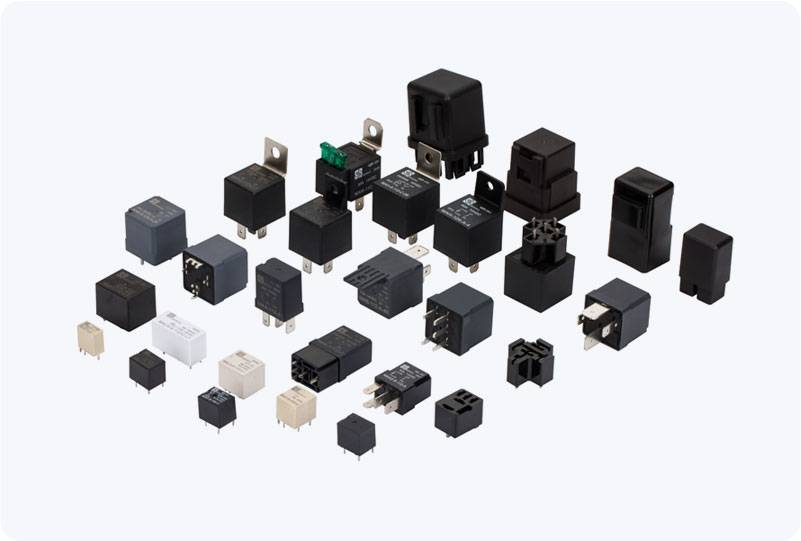
What is a Safety Isolated Relay? A Safety Isolated Relay, as the name suggests, combines the functions of a relay with the safety feature of electrical isolation. It is designed to prevent the transmission of electrical faults or disturbances from one part of a system to another. This is achieved by isolating the input and output circuits, which helps to protect sensitive equipment and prevent accidents that may arise from electrical failures. The key feature of these relays is their ability to separate the control or input circuit from the output circuit, providing safety during normal operation and, more importantly, in the event of a malfunction. This isolation is typically achieved using components like transformers, optocouplers, or galvanic isolation methods, ensuring that the electrical faults in one circuit do not affect others.




 Chat Oline