understanding the motor control power relay: key features and applications
Release time:2025-11-30 00:25:21
A Motor Control Power Relay is an essential component in industrial automation and motor control systems, playing a pivotal role in ensuring the smooth operation, protection, and efficiency of electric motors. These relays serve as electrical switches, used to control the power supply to motors and other electrical devices. In this article, we will explore the features, working principles, applications, and benefits of Motor Control Power Relays.
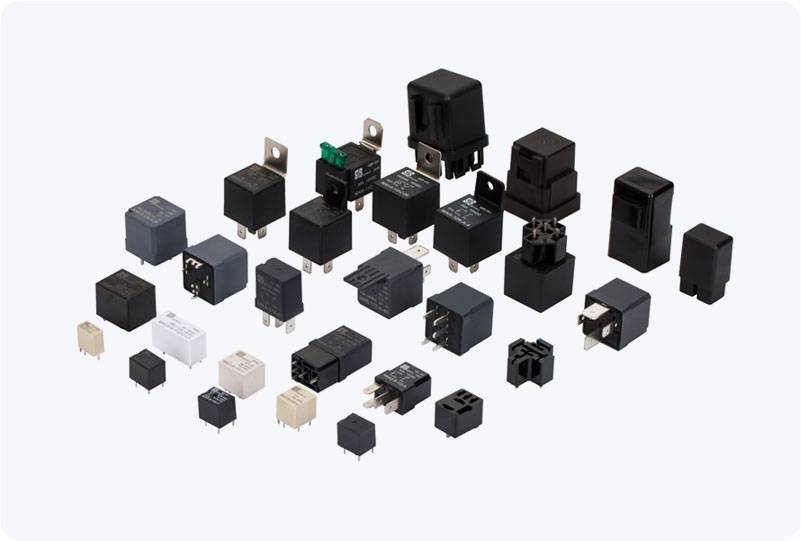
What is a Motor Control Power Relay? A Motor Control Power Relay is an electromechanical device used for switching high-power circuits, specifically designed to manage the power supply to motors. It is typically part of a broader motor control system that includes circuit breakers, contactors, and overload protection devices. The primary function of the relay is to control the start, stop, and protection of an electric motor by opening or closing the power circuit as needed. How Does It Work? The basic operation of a motor control power relay involves electromagnetic induction. When a control voltage or current is applied to the relay's coil, it generates a magnetic field that activates the internal switch. This action either opens or closes the contacts, allowing or interrupting the flow of electricity to the motor.




 Chat Oline