understanding relay datasheet: key information and specifications
Release time:2025-11-30 04:53:54
A Relay datasheet is an essential document that provides all the critical information about a relay’s electrical, mechanical, and operational properties. For engineers, designers, and technicians, the datasheet serves as a comprehensive guide to ensure that a relay meets the requirements for specific applications. Understanding the contents of a relay datasheet is key to selecting the right relay for a project, as it includes details such as voltage ratings, current specifications, and contact configurations. In this article, we will explore the key elements of a typical Relay datasheet and discuss why these specifications matter.
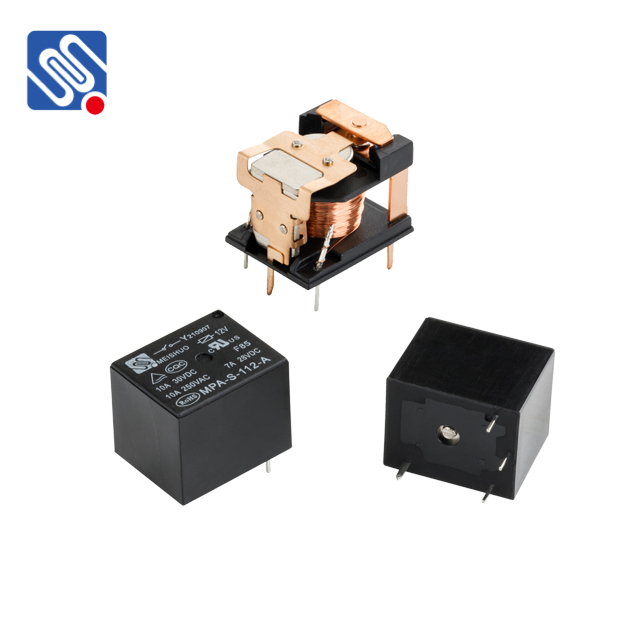
What Is a Relay? Before diving into the datasheet specifics, let’s first clarify what a relay is. A relay is an electrically operated switch that allows one circuit to control another by opening or closing contacts when a voltage is applied to the coil. Relays are widely used in automation, control systems, and protection circuits due to their ability to isolate different parts of a system, provide electrical control over high-voltage circuits, and handle switching operations efficiently. Key Components of a Relay Datasheet Relay Type and Model Number Every datasheet begins with basic identification, such as the model number and the relay type. The type of relay is often categorized by the number of poles (SPDT, DPDT, etc.), whether it is an electromagnetic relay (EMR), solid-state relay (SSR), or reed relay. This section also includes the manufacturer's information, which helps identify the brand and specific product line.




 Chat Oline