understanding overload relay: protection and importance in motor safety
Release time:2025-11-30 07:21:35
Overload relays are vital components in the protection of electrical motors. These devices are designed to monitor the current flowing through a motor and prevent it from being damaged due to excessive current. By automatically disconnecting the power supply when the motor experiences overcurrent, overload relays ensure the longevity of motors and avoid costly repairs or replacements. In this article, we will explore the working principles, types, and applications of overload relays, as well as their significance in various industries.
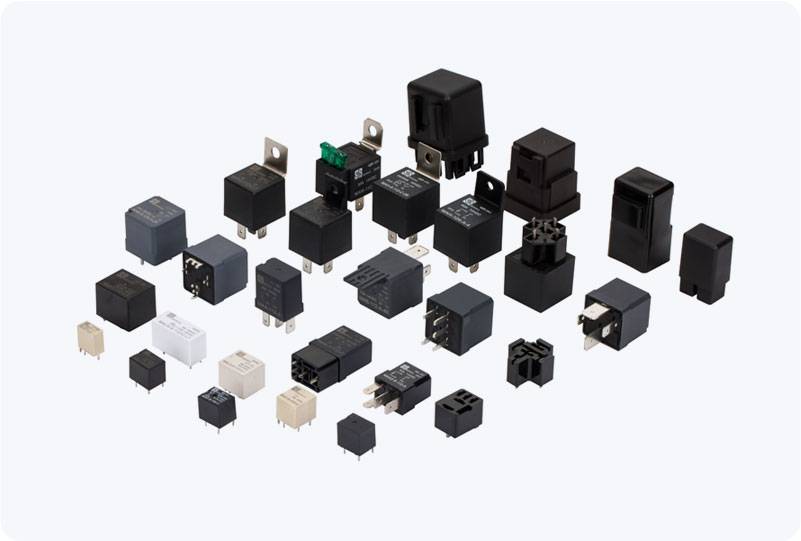
What is an Overload Relay? An overload relay is a safety device used in electrical circuits to protect motors from operating under excessive load conditions. Motors, when subjected to current beyond their rated capacity, can suffer from overheating, which can lead to insulation failure or mechanical damage. Overload relays act as a safeguard by monitoring the current and disconnecting the power when the current exceeds the preset threshold. How Does an Overload Relay Work? The fundamental operation of an overload relay involves detecting the electrical current drawn by the motor. When the motor is running under normal conditions, the current flowing through the motor's windings remains within safe limits. However, when the load on the motor increases or the motor starts to overheat, the current exceeds the motor's rated value, and the overload relay activates.




 Chat Oline