low flow solenoid valve: precision control for small-scale fluid systems
Release time:2025-11-30 07:27:50
Low Flow Solenoid Valves are essential components in modern systems that require precise control of small fluid flows. Whether it's in the medical field, laboratory applications, or industrial automation, these valves provide a reliable and accurate method of regulating fluid movement. In this article, we will explore what low flow solenoid valves are, how they work, and the wide range of applications that benefit from their use.
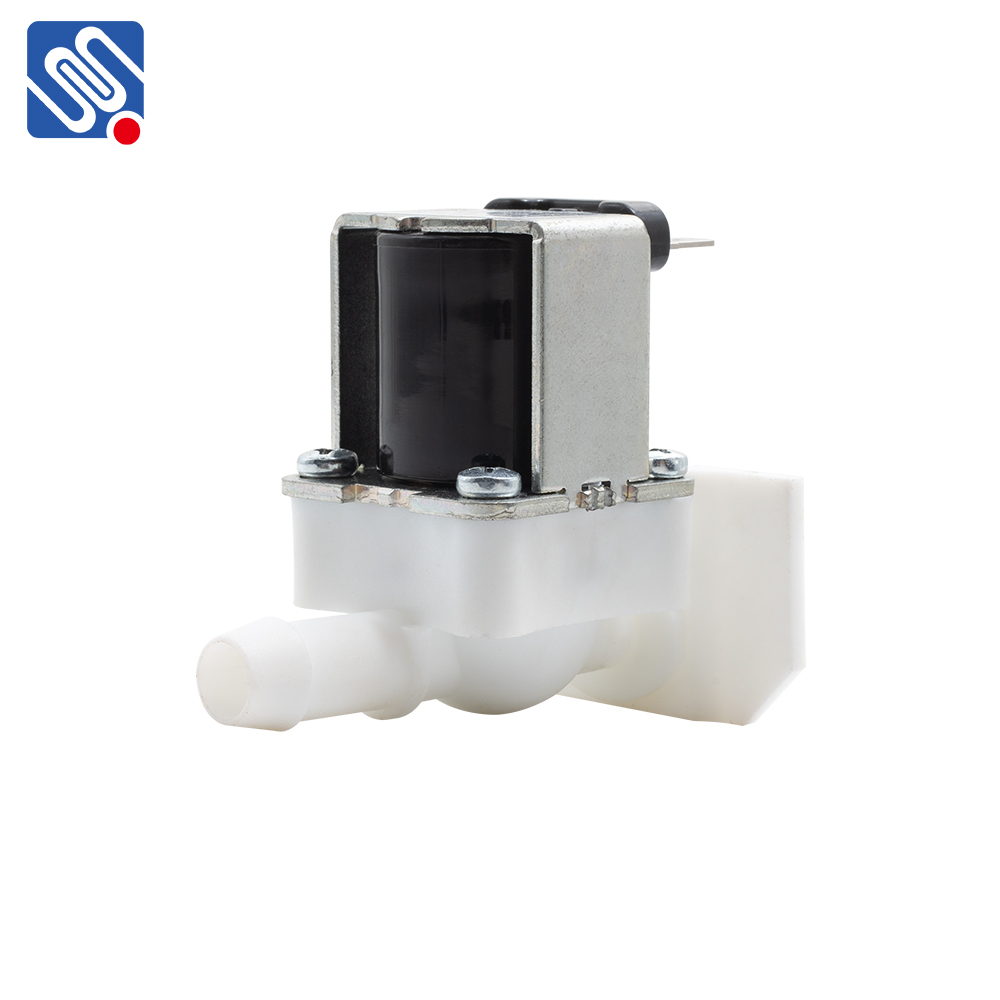
What is a Low Flow Solenoid Valve? A Low Flow Solenoid Valve is a type of electrically operated valve that controls the flow of fluid through a pipe or tube. Unlike standard solenoid valves that are used in high-flow or high-pressure systems, low flow solenoid valves are specifically designed for applications where precision is crucial, and the fluid flow rate is very small. At the heart of a solenoid valve is an electromagnet that opens or closes the valve based on the current passed through it. When the electromagnet is energized, it moves a valve component—often a plunger or diaphragm—that either allows or restricts the flow of fluid. This mechanism provides fast and precise control, making low flow solenoid valves an ideal solution for applications that require accurate regulation of fluid quantities.




 Chat Oline