understanding relay functions in electrical systems
Release time:2025-11-30 08:01:44
Relay functions are fundamental components in electrical and electronic systems, playing a crucial role in automation, control, and protection schemes. These vital devices offer a means to switch circuits on and off, control machinery, and safeguard systems against faults. This article will delve into the various types of relay functions, their operational principles, and their applications in modern electrical systems.
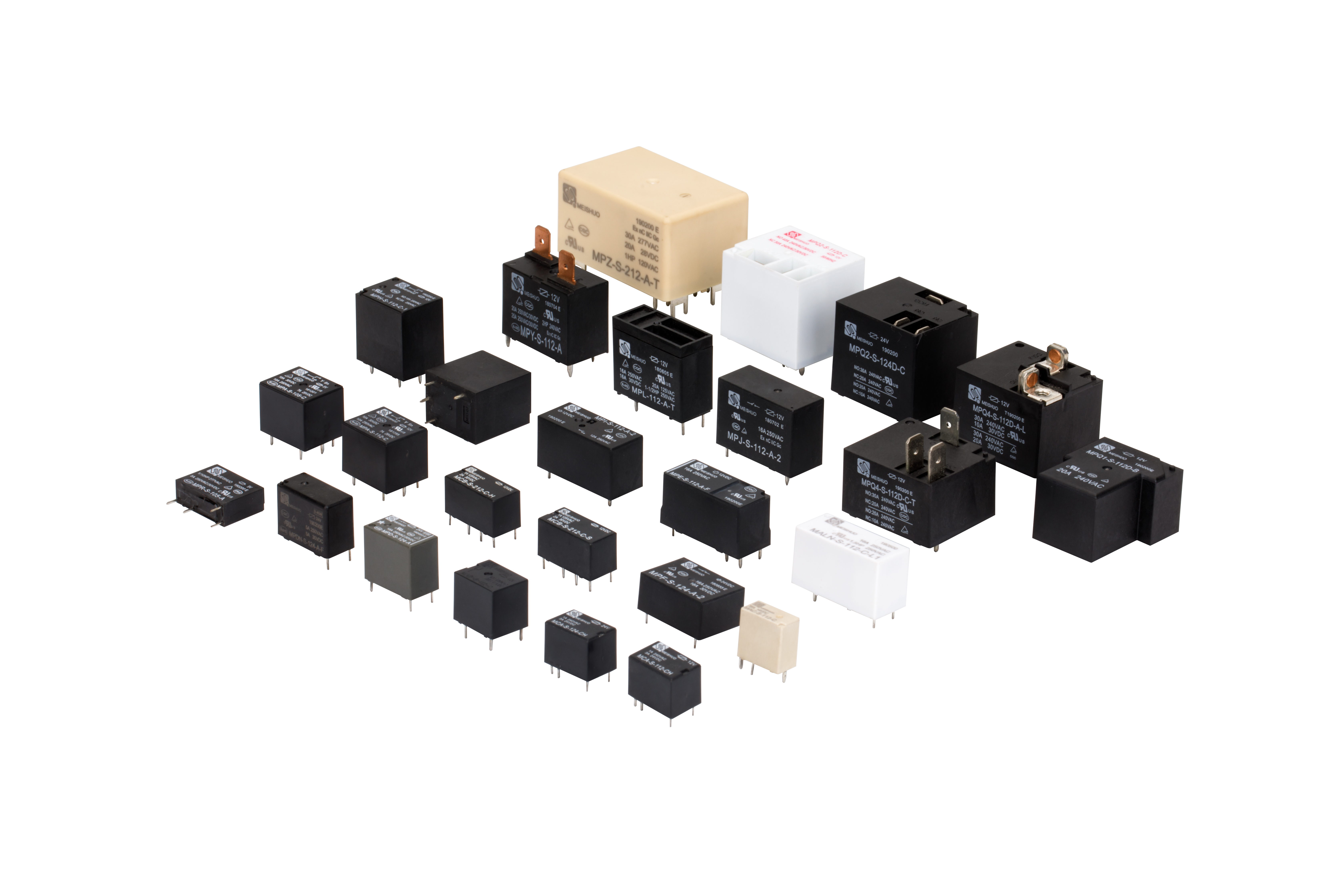
At its core, a relay is an electromechanical switch that utilizes an electromagnetic coil to control a circuit. When current flows through the coil, it generates a magnetic field that attracts a movable armature. This armature then closes contacts to either complete a circuit or interrupt it, depending on the relay's design. Relay functions can be categorized broadly into two main types: electromechanical relays (EMRs) and solid-state relays (SSRs). Electromechanical relays are the traditional form of relays. They are characterized by their moving parts and mechanical operation, which allows them to handle various loads, from small circuit control to high-power applications. Thanks to their robustness and reliability, EMRs are widely used in industrial settings. They can be configured to perform different functions, such as normally open (NO) or normally closed (NC) switching, thereby serving a versatile role in circuit design.




 Chat Oline