understanding relay functions in communication systems
Release time:2025-11-30 08:39:17
Relay functions are essential mechanisms that allow for the transfer, forwarding, or switching of data and signals between different parts of a system. They are commonly used in electrical, communication, and biological systems. At its core, a relay function acts as an intermediary, ensuring that signals or data are passed from one point to another, often without modification, though sometimes with transformation or enhancement along the way. The role of relay functions is critical to ensuring efficient and reliable operation in various domains. This article explores the concept of relay functions across different fields, providing insights into their significance and applications.
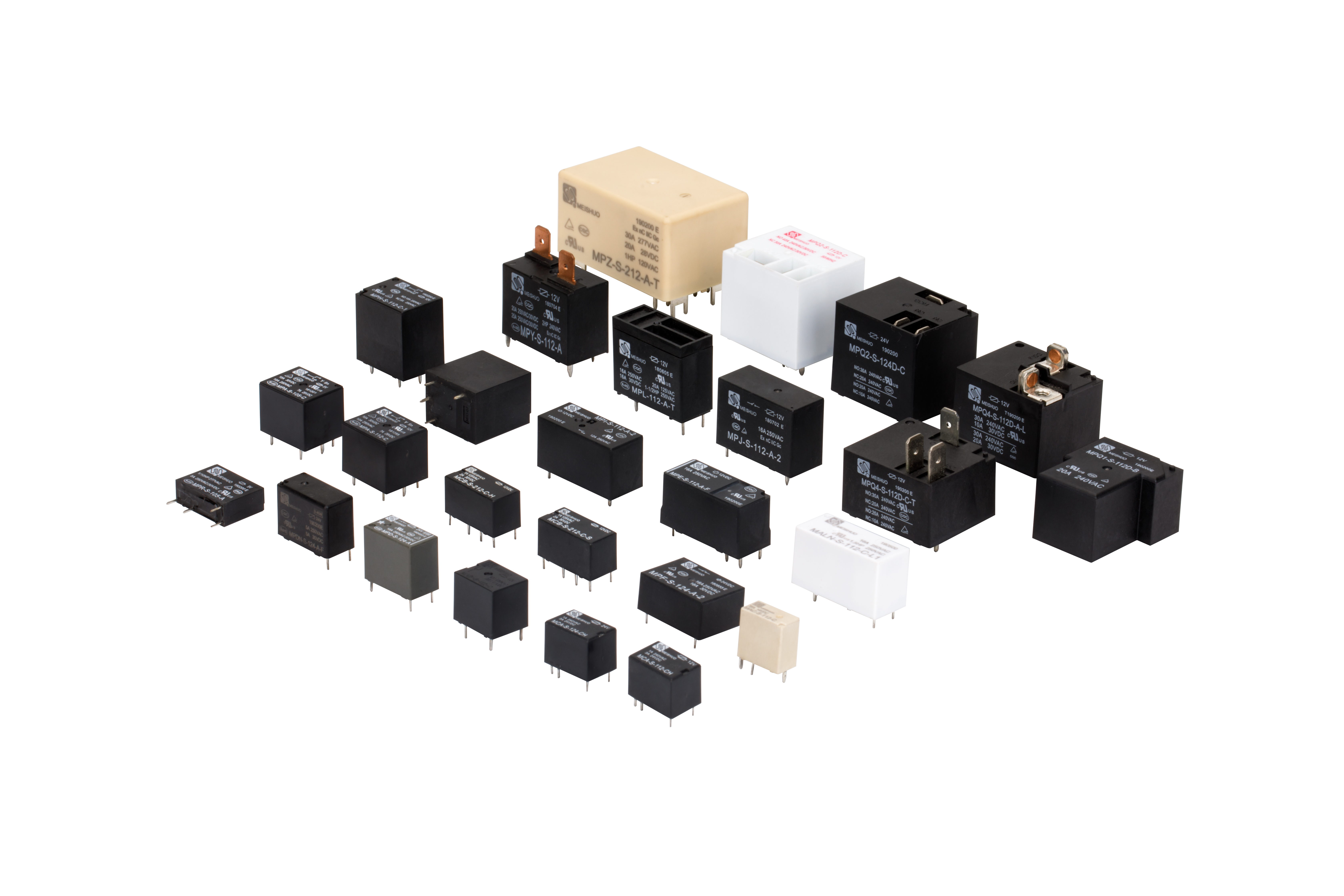
1. Relay Functions in Electrical and Electronic Systems In the context of electrical and electronic systems, relay functions are primarily seen in devices called relays. A relay is an electrically operated switch that uses an electromagnet to control the opening and closing of contacts. When a current flows through the electromagnet, it generates a magnetic field, which moves a lever or armature to either open or close the circuit. Relay functions in such systems serve a few key purposes: Signal Isolation: By using relays, electrical signals from different parts of a system can be isolated. This prevents interference between circuits and ensures safe handling of high voltage or current signals.




 Chat Oline