industrial control relay: key components and applications in industrial automation
Release time:2025-11-30 09:59:29
Industrial Control Relays (ICRs) are crucial components in the world of industrial automation, playing a pivotal role in controlling and safeguarding electrical systems. As technology advances and industries become more automated, the need for reliable and efficient control systems has never been greater. ICRs serve as fundamental building blocks for many industrial applications, ranging from simple circuit control to complex automation processes. In this article, we will explore the structure, working principle, types, and applications of Industrial Control Relays, as well as their role in ensuring safety and efficiency in various industrial sectors.
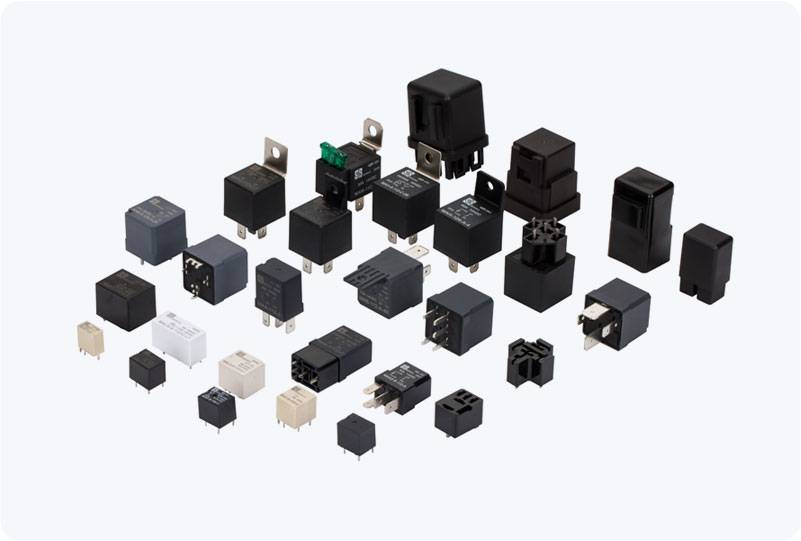
What is an Industrial Control Relay? An Industrial Control Relay is an electromechanical device designed to control the switching of electrical circuits. It acts as an intermediary between a low-power control circuit and a high-power load, enabling the operation of large machines or electrical systems without direct contact with them. The relay typically consists of a coil, contacts (either normally open or normally closed), and a spring mechanism to either open or close the circuit when an electrical signal is applied to the coil. The primary function of a control relay is to automate electrical circuits, turning machines or processes on or off based on the input signals it receives. These relays are commonly used in industrial settings where the need for safety, reliability, and precision is paramount.




 Chat Oline