understanding relay 24v: applications, types, and functional principles
Release time:2025-11-30 12:22:10
When it comes to controlling electrical circuits, relay systems play a crucial role, especially in automation and safety applications. Among various types of relays available in the market, the 24V relay stands out as a favored choice due to its versatile functionality and ease of integration into different systems. This article aims to provide an in-depth understanding of relay 24V, including its applications, types, and operational principles.
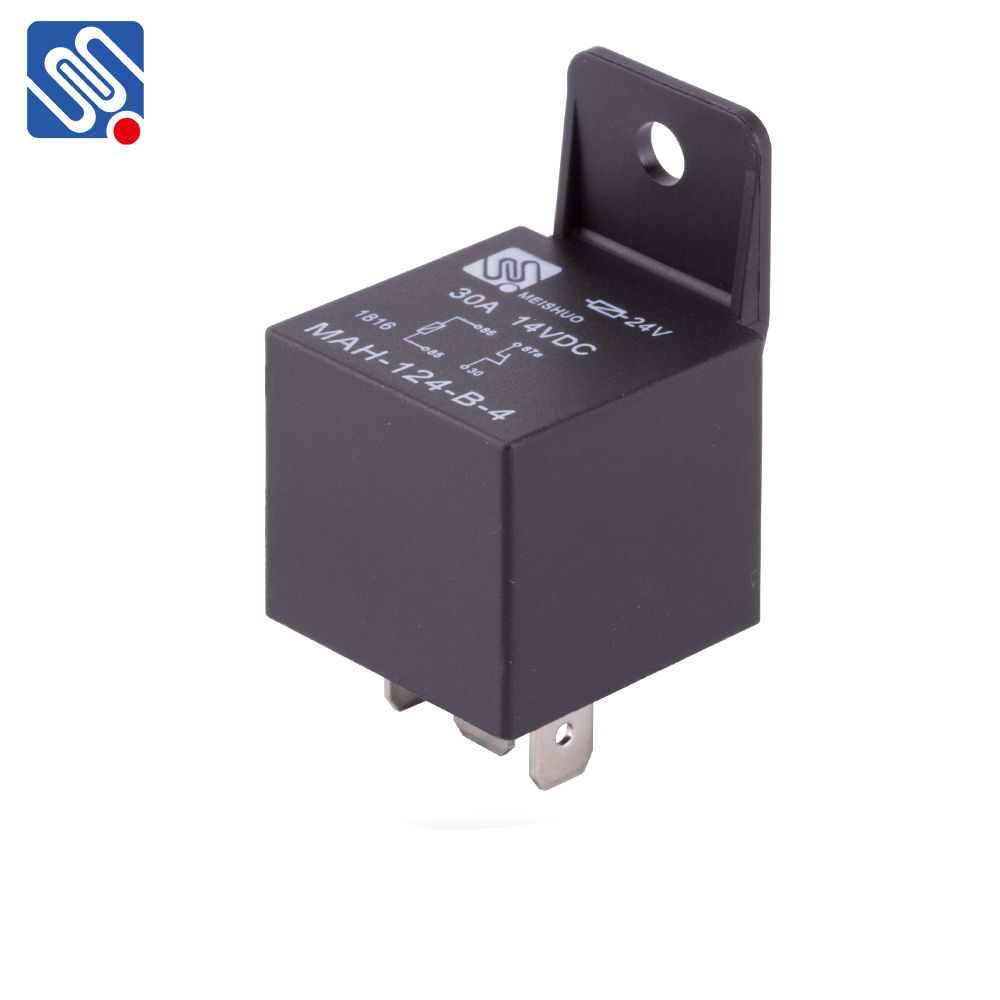
What is a Relay? A relay is an electromechanical switch that uses an electromagnetic coil to open or close a circuit. It acts as an intermediary between a low-power control circuit and a high-power load circuit, allowing for safe management of electrical devices without the need for direct connection to hazardous voltage levels. The relay consists of a coil of wire, a movable armature, and contacts that either touch or separate to control the flow of electricity. Features of the 24V Relay The term "24V relay" refers to the operating voltage for the coil of the relay, specifically designed for 24 volts. This voltage can be direct current (DC) or compatible with alternating current (AC) systems. Some distinguishing features of 24V relays include:




 Chat Oline