understanding circuit breaker relay: an essential component for electrical protection
Release time:2025-11-30 15:27:00
A Circuit Breaker Relay is a crucial device in modern electrical systems, designed to protect electrical circuits and equipment from damage caused by overloads, short circuits, and other abnormal conditions. By combining the functionalities of both a circuit breaker and a relay, this device offers an efficient and reliable means of safeguarding electrical infrastructure. This article explores the working principle, types, applications, and advantages of Circuit Breaker Relays in various sectors.
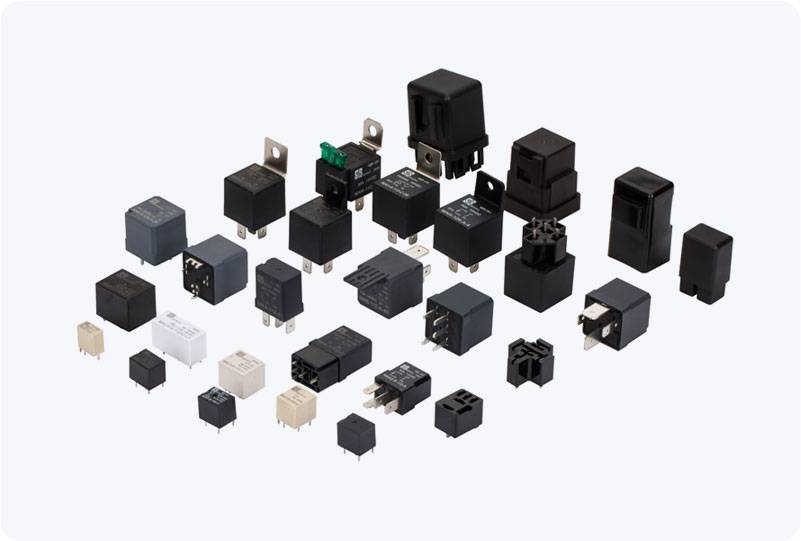
The Working Principle of a Circuit Breaker Relay At its core, a Circuit Breaker Relay works by sensing abnormal electrical conditions and interrupting the circuit to prevent damage to the system. The device is composed of two main elements: a relay and a circuit breaker. Relay Function: The relay is responsible for monitoring the electrical current passing through the circuit. It detects variations in the current—such as excessive current flow due to a short circuit or overload. When these abnormal conditions occur, the relay sends a signal to the circuit breaker. Circuit Breaker Function: Upon receiving the signal from the relay, the circuit breaker quickly disconnects the circuit, effectively stopping the flow of electricity. This rapid action prevents further damage to the electrical components and protects both the wiring and connected devices from overheating or fire.




 Chat Oline