understanding the 12v 30a relay: a comprehensive overview
Release time:2025-11-30 18:03:41
A 12V 30A relay is a commonly used electrical component in various electronic systems. Relays, in general, serve the purpose of controlling high-power devices with low-power signals. The 12V 30A relay, specifically, is designed to control circuits requiring significant current and is often found in automotive, industrial, and household applications. In this article, we will explore the functionality, features, and practical applications of the 12V 30A relay, and understand why it is a crucial component in modern electrical systems.
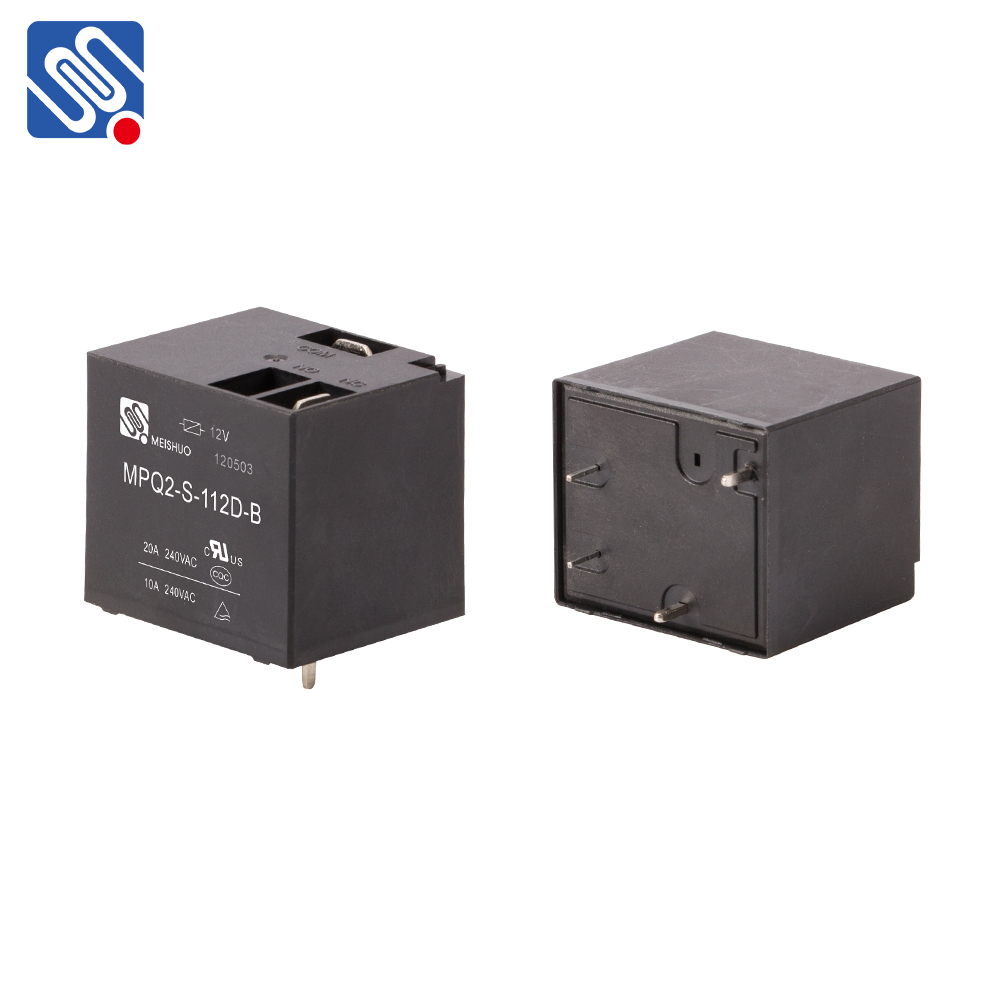
What is a 12V 30A Relay? A 12V 30A relay consists of an electromagnetic coil and a set of switch contacts. The "12V" refers to the voltage required to activate the relay coil, while "30A" denotes the maximum current the relay can handle on its switching contacts. Typically, the relay operates by using a 12V DC voltage to energize the coil, creating a magnetic field that opens or closes the switch, allowing the relay to control larger electrical loads, such as motors, lights, or heating elements. The key feature of a 12V 30A relay is its ability to handle a substantial current (up to 30 amperes) while using a low control voltage (12V). This makes it suitable for use in scenarios where a small signal needs to control larger currents without the need for complex switching mechanisms or manual intervention.




 Chat Oline