understanding igbt-based hv relay: revolutionizing high voltage switching
Release time:2025-11-30 20:30:56
In modern electrical and power systems, high-voltage switching plays a crucial role in maintaining the efficiency, safety, and stability of various applications. One of the most promising innovations in this field is the IGBT-based high-voltage (HV) relay. Combining the power of Insulated Gate Bipolar Transistor (IGBT) technology with the functionality of traditional relays, IGBT-based HV relays offer enhanced performance, longevity, and precision in controlling high-voltage circuits. This article explores the technology, features, and applications of IGBT-based HV relays, shedding light on how they are transforming industries that rely on high-voltage systems.
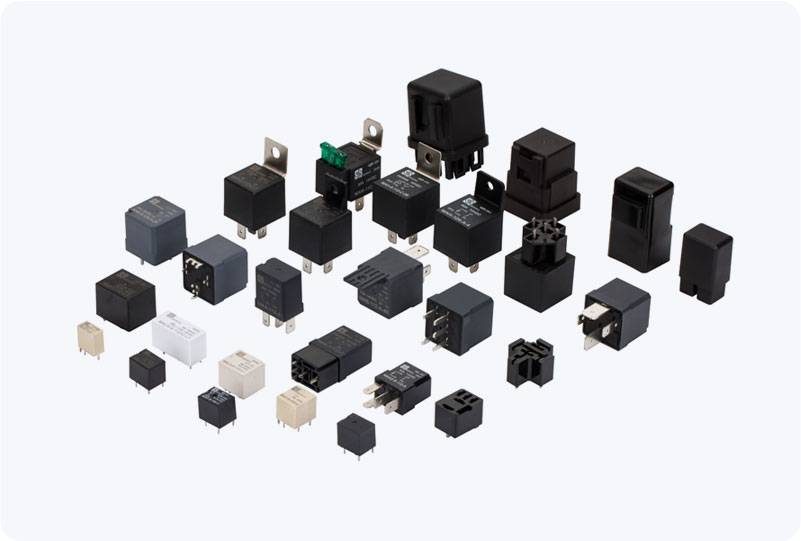
What is an IGBT-Based HV Relay? An IGBT-based HV relay is a high-voltage switching device that leverages the properties of IGBT semiconductors to control the flow of electrical current in high-voltage circuits. Unlike traditional mechanical relays, which use physical contacts to open and close circuits, IGBT-based relays utilize the switching capabilities of IGBT transistors to achieve faster and more reliable switching without the wear and tear associated with mechanical components. IGBTs combine the high-current handling capacity of bipolar transistors with the high-speed switching characteristics of field-effect transistors (FETs). This unique combination makes IGBT-based relays particularly suited for applications where both high power and fast switching are required. By using IGBT technology, these relays can operate with minimal switching losses, offering higher efficiency and improved control in power electronic systems.




 Chat Oline