relay signals: understanding the key to efficient electrical control systems
Release time:2025-12-01 03:31:38
Relay signals play a pivotal role in the functioning of modern electrical systems. They serve as the communication bridge between control circuits and high-power devices, ensuring that electrical signals are properly transmitted to control or activate other components. Whether in industrial machinery, home automation, or automotive applications, the importance of relay signals cannot be overstated. This article explores the workings of relay signals, their applications, and why they are so essential in maintaining the efficiency and safety of electrical systems.
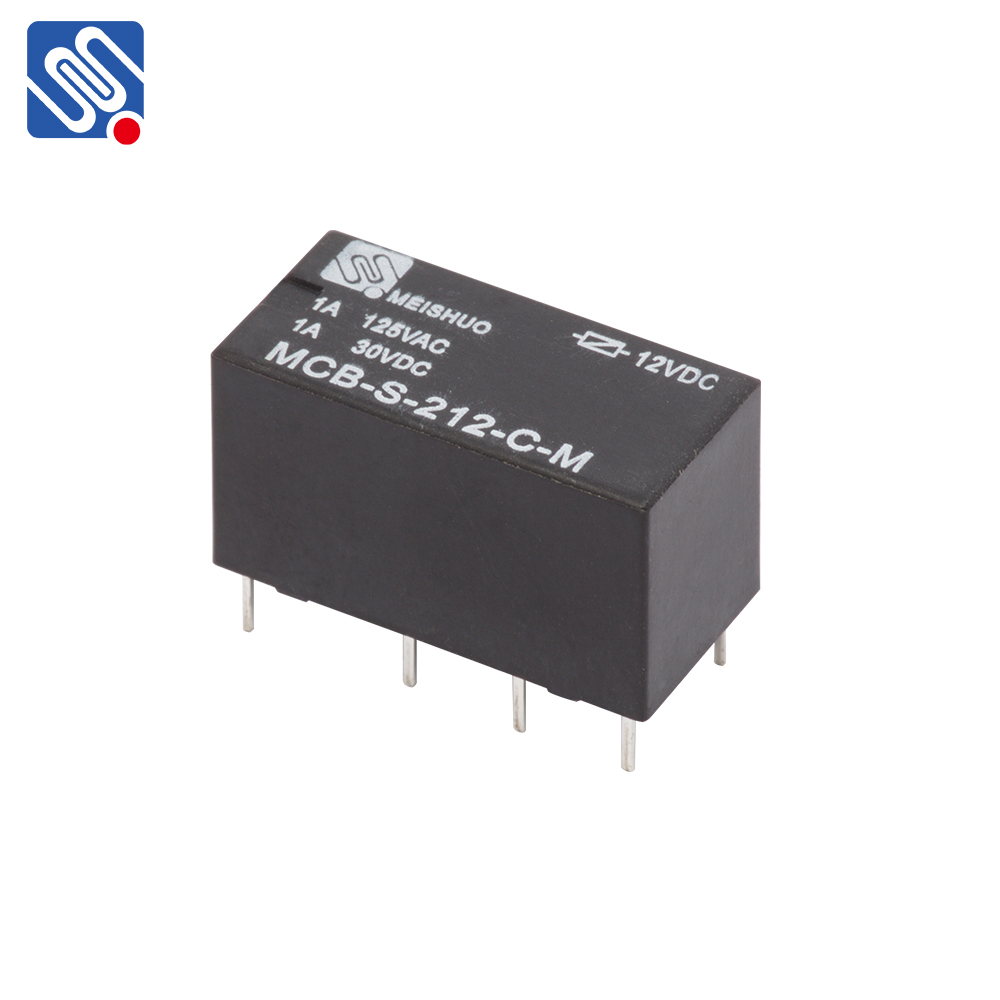
What are Relay Signals? At their core, relay signals are electrical signals used to control the operation of a relay. A relay itself is an electromechanical device that functions as an electrically operated switch. When a small current is supplied to the relay’s coil, it generates a magnetic field that activates the internal switch mechanism, either opening or closing a set of contacts. These contacts can then control the flow of electricity to a larger load, such as a motor, a light, or even an entire system. Relay signals are the inputs and outputs that trigger and monitor the state of these switches. The input signal is typically provided by a control system (such as a programmable logic controller or a simple manual switch) and determines whether the relay should activate. The output signal, on the other hand, indicates whether the relay’s contacts are in an open or closed state, enabling further control actions or feedback to the system.




 Chat Oline