understanding pvc solenoid valve: key features and applications
Release time:2025-12-01 07:03:21
A PVC solenoid valve is a type of electrically operated valve made from PVC (Polyvinyl Chloride) material. These valves play an essential role in fluid control systems, particularly when handling fluids that are chemically aggressive or corrosive. PVC solenoid valves combine the advantages of PVC—such as chemical resistance, durability, and affordability—with the convenience of automated control offered by solenoid valves. This article delves into the working principle, features, and common applications of PVC solenoid valves.
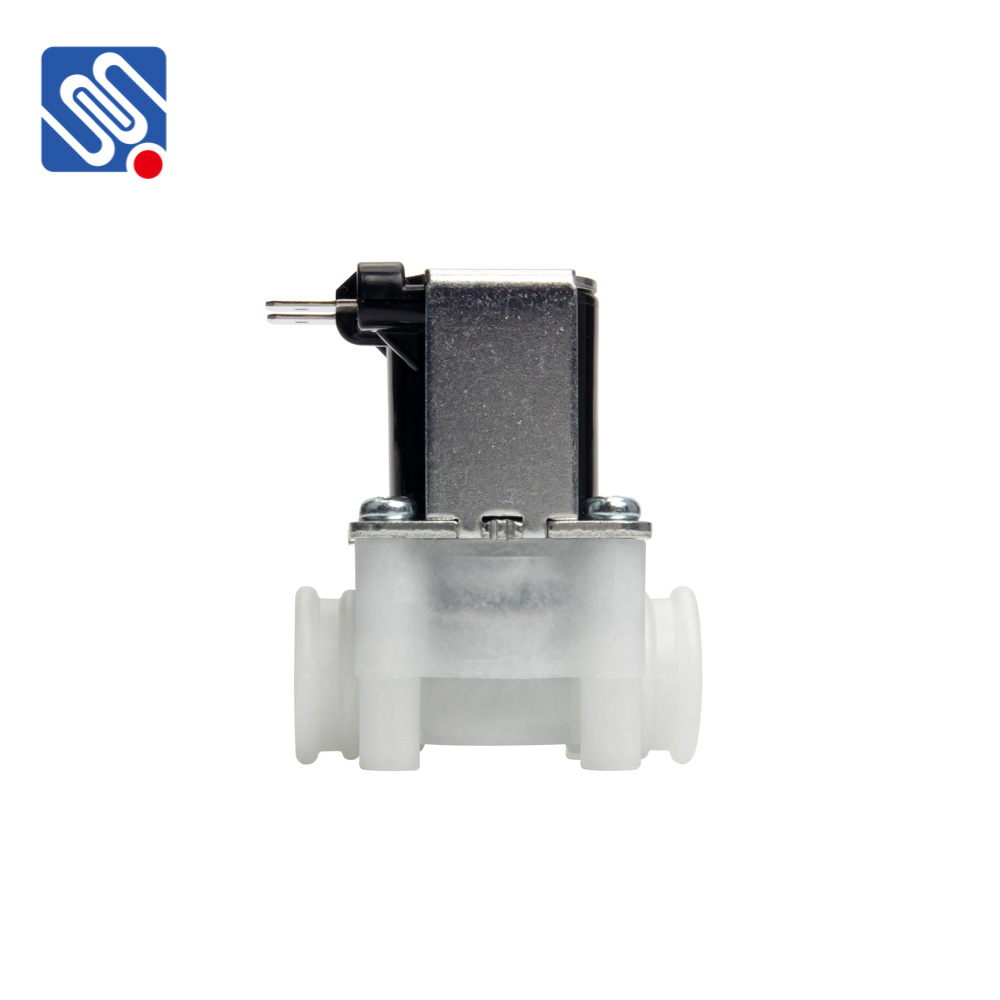
What is a PVC Solenoid Valve? A PVC solenoid valve is a type of valve that uses an electric current to control the flow of fluids through a pipe or system. The "solenoid" refers to the electromagnetic coil that is energized to either open or close the valve, depending on its design. When the solenoid is energized, it generates a magnetic field that activates the valve mechanism, either opening or closing it to allow or stop fluid flow. What sets PVC solenoid valves apart from other types of solenoid valves is the use of PVC as the primary material in the valve’s construction. This makes the valve highly resistant to corrosion, chemical degradation, and wear, especially when dealing with aggressive substances like acids, alkalis, or chlorine-based solutions.




 Chat Oline