understanding the 12v 30a relay: key features, applications, and considerations
Release time:2025-12-01 07:27:50
A 12V 30A relay is a powerful and versatile electrical component widely used in various applications, ranging from automotive systems to industrial machinery. This type of relay is designed to control high-power circuits with low-voltage control signals, making it an essential element for switching devices that require a substantial current, such as motors, lighting systems, and other high-power electronics. In this article, we will explore the key features, typical applications, and important considerations when working with 12V 30A relays.
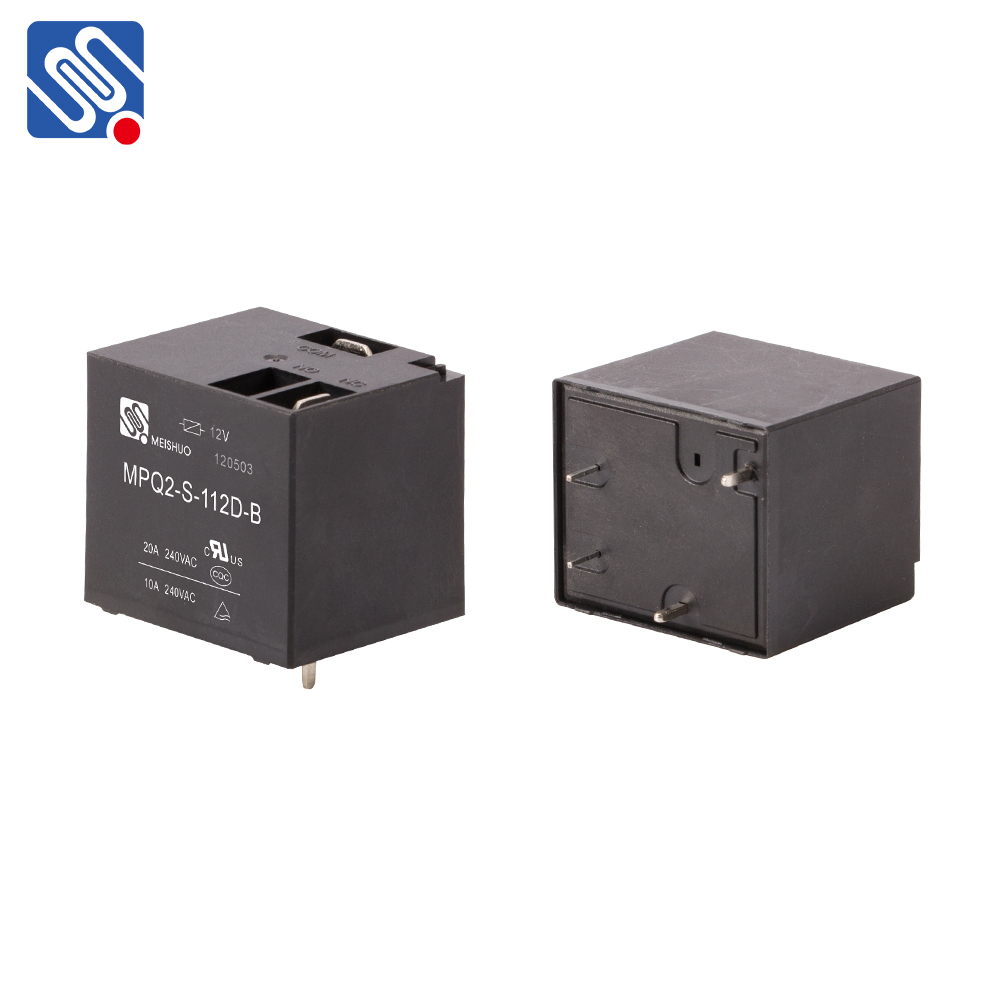
What is a 12V 30A Relay? A relay is an electrically operated switch that uses an electromagnet to open or close a set of contacts in a circuit. The 12V 30A relay operates with a 12V DC control signal, typically supplied by a battery or power source, and can switch up to 30 amperes of current. This makes it suitable for use in high-power applications where direct control of heavy electrical devices is required but where using a simple switch or transistor is not practical or feasible. The primary advantage of using a relay is that it isolates the control circuit from the high-power circuit. This ensures that low-voltage control devices (such as microcontrollers, sensors, or switches) can safely control much higher-voltage systems without the need for complex wiring or risk of damage from power surges.




 Chat Oline