the function and applications of pcb electromagnetic relay in modern electronics
Release time:2025-12-01 08:18:51
In modern electronic systems, reliable and efficient switching mechanisms are essential for controlling various high-power devices with low-power signals. One such component that has long been utilized for this purpose is the PCB electromagnetic relay. This small but powerful device enables the control of electrical circuits by using an electromagnet to open or close its contacts, making it a vital part of countless applications ranging from household appliances to industrial automation.
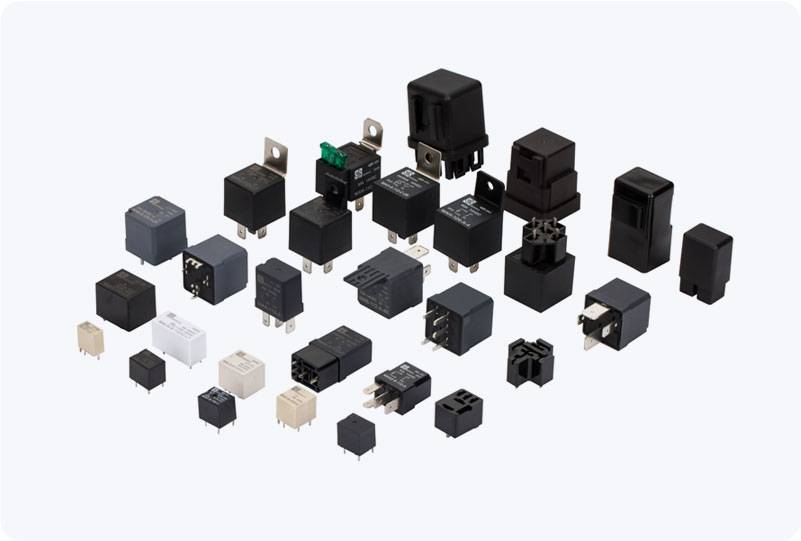
What is a PCB Electromagnetic Relay? A PCB electromagnetic relay is an electromechanical switch that is mounted directly onto a Printed Circuit Board (PCB). It typically consists of a coil, a movable armature, and one or more contacts. When an electrical current passes through the coil, it generates a magnetic field that attracts or repels the armature, causing the contacts to open or close. This action allows the relay to switch larger currents or voltages with a much smaller control current, making it ideal for controlling high-power devices using low-power signals. PCB electromagnetic relays are compact and designed to be soldered onto the PCB, saving space and simplifying the manufacturing process. They are available in a variety of configurations, such as single-pole or double-pole, normally open (NO) or normally closed (NC) contacts, depending on the specific needs of the application.




 Chat Oline