understanding the 24v 30a relay: a crucial component for high power switching
Release time:2025-12-01 10:45:56
Relays are essential components in many electrical and electronic systems, enabling the control of high-power devices with low-power signals. One such example is the 24V 30A relay, which is designed to handle significant current and voltage while allowing for efficient control. These relays are particularly useful in automotive, industrial, and home automation applications where high-power devices need to be switched on or off without directly exposing low-voltage control circuits to high-power components. This article explores the features, applications, and benefits of using a 24V 30A relay in various systems.
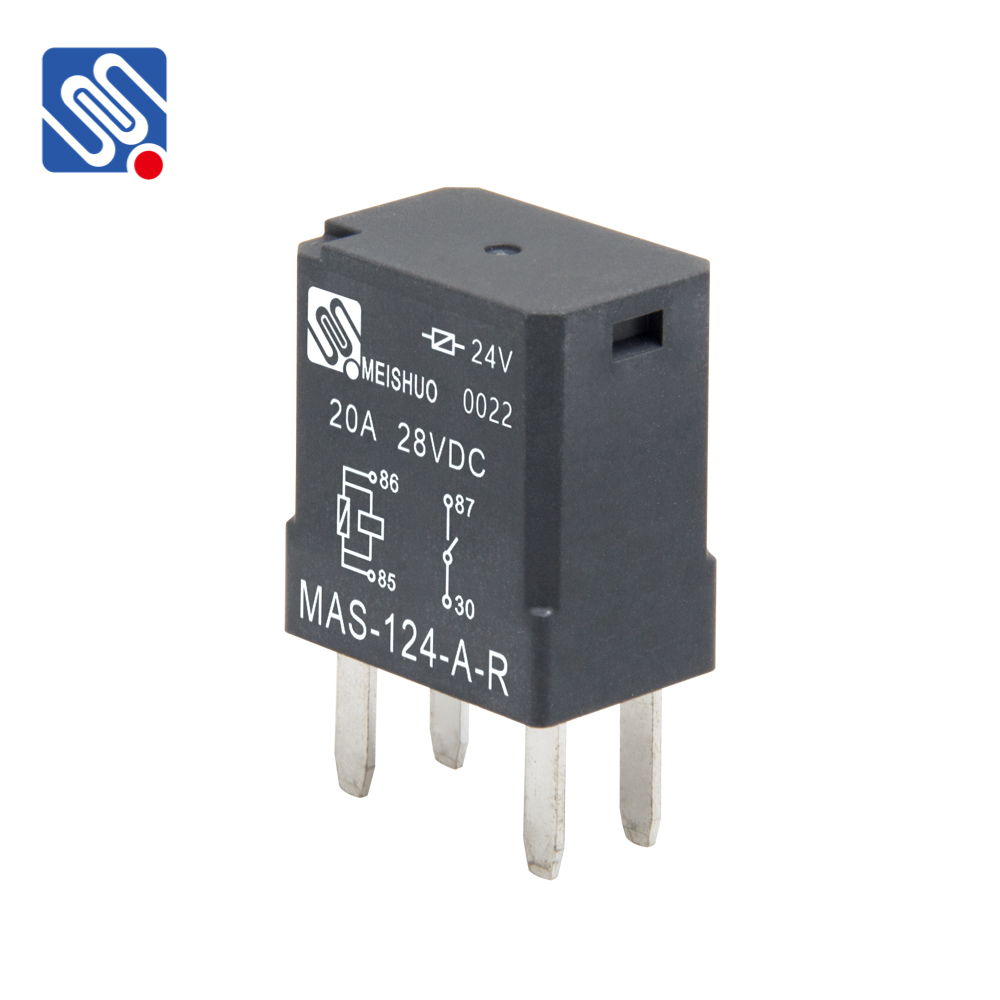
What is a 24V 30A Relay? A 24V 30A relay is an electromechanical device that uses a 24-volt DC signal to control a switch capable of handling up to 30 amperes of current. It consists of a coil, an armature, and a set of contacts. The coil is powered by the control circuit, creating a magnetic field that moves the armature, which in turn opens or closes the relay's contacts. These contacts are used to control the flow of power to high-power electrical devices. The 24V specification refers to the voltage required to activate the coil, while the 30A rating indicates the maximum current that can be safely switched by the relay’s contacts.




 Chat Oline