relay specifications comparison: understanding key differences in relay types and their applications
Release time:2025-12-01 14:46:36
Relays are essential electrical components used in various systems to control the flow of electricity. They act as switches that open or close circuits in response to electrical signals, allowing one circuit to control the operation of another. Depending on the application, different relay types come with varying specifications tailored for specific requirements. This article provides a detailed comparison of relay specifications, highlighting the key differences between relay types and their ideal applications.
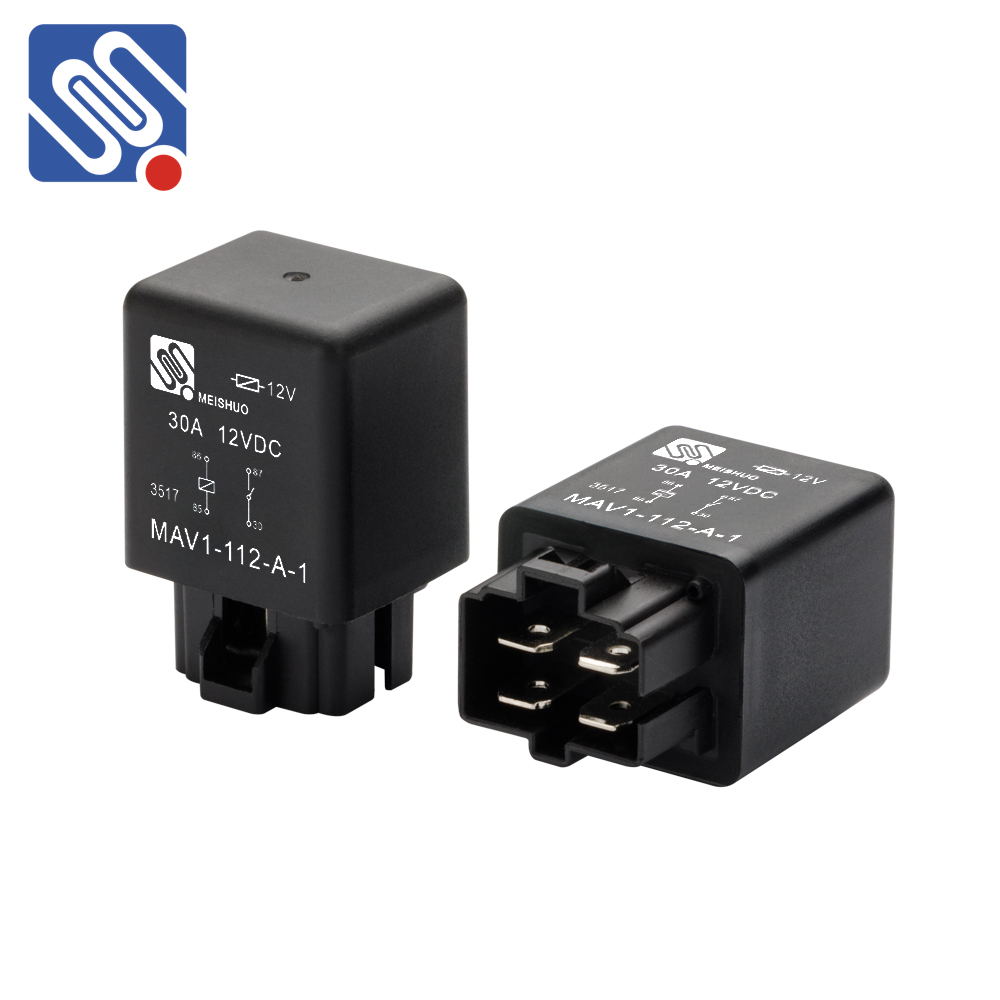
Types of Relays and Their Specifications Relays come in various types, each designed for specific functions. Some of the most common relay types include electromagnetic relays, solid-state relays, reed relays, thermal relays, and time-delay relays. The specifications of each type vary based on their construction, operating principle, and intended use. 1. Electromagnetic Relays (EMR) Electromagnetic relays are the most widely used relays. They function by using an electromagnet to mechanically operate a set of contacts. The key specifications of EMRs include: Contact Rating: The maximum current and voltage that the relay can safely control. Typically, this is in the range of a few amps to several hundred amps.




 Chat Oline