understanding power relay: an essential component in electrical control systems
Release time:2025-12-01 16:57:59
Power relays are critical components in both industrial and residential electrical systems. They are designed to control the flow of electrical power to various devices and systems, enabling efficient management of high voltage and high current applications. This article provides an in-depth understanding of power relays, their function, types, applications, and considerations for selection.
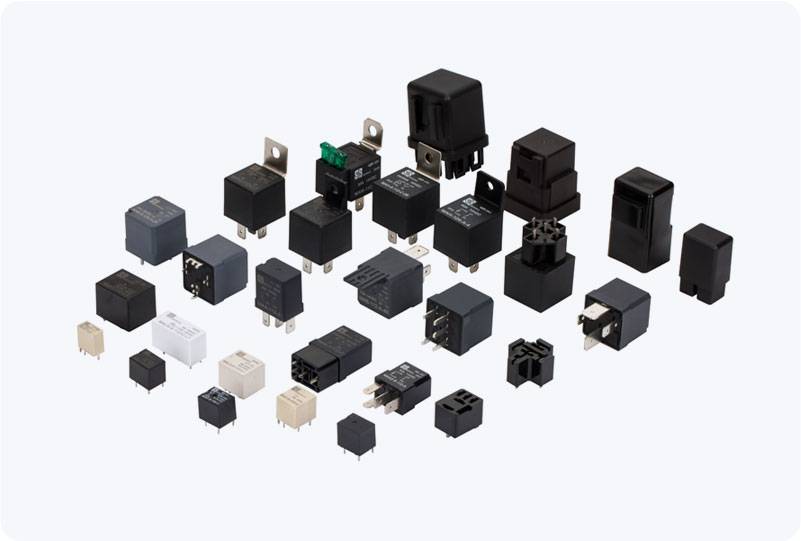
At its core, a power relay operates as an electromechanical switch. It comprises a coil, a magnetic armature, and a set of contacts (or terminals). When an electrical current passes through the coil, it generates a magnetic field that attracts the armature, causing it to move and either open or close the contacts. This action allows a low-power control circuit to govern high-power devices safely and effectively. One of the key advantages of using power relays is their capacity to manage significant electrical loads while isolating the low-power control circuit from the high-power circuit. This isolation prevents any potential damage to sensitive control electronics and enhances the overall safety of the system. Moreover, power relays can be used to switch various types of electrical loads, from motors and heaters to lighting and appliances.




 Chat Oline