understanding relay compatibility: key considerations and best practices
Release time:2025-12-01 17:11:22
Relays are fundamental components in electrical and electronic systems, serving as switches that allow one circuit to control another, typically by using an electromagnet to open or close contacts. Their versatility has made them indispensable in various industries, from automotive and telecommunications to automation and home appliances. However, ensuring relay compatibility is critical for the efficient and safe operation of a system. In this article, we will explore the key factors that influence relay compatibility and offer best practices for selecting the right relay for your applications.
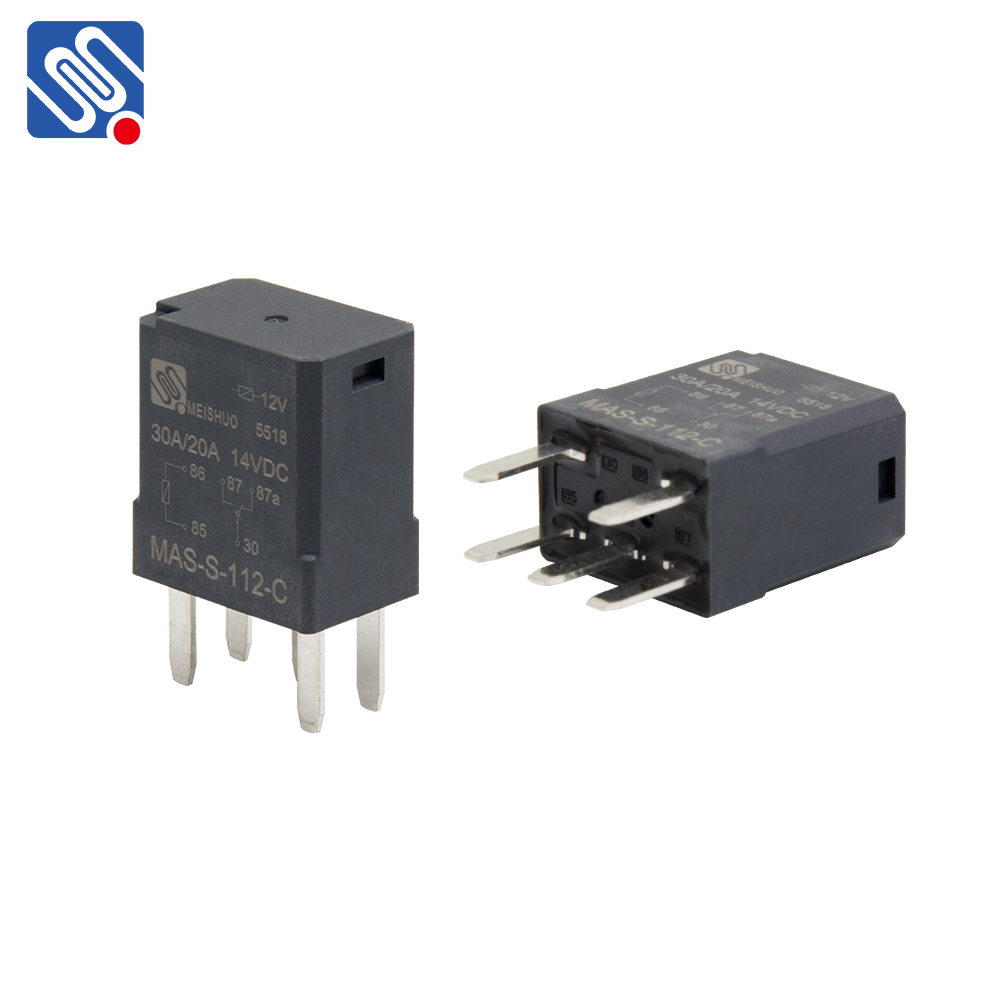
What Is Relay Compatibility? Relay compatibility refers to the ability of a relay to operate effectively within a specific electrical system. It involves several considerations, including voltage ratings, current capacity, contact configuration, physical size, and environmental factors. Ensuring compatibility between a relay and the system it operates within can prevent malfunctions, reduce system failure risks, and extend the life of both the relay and the overall system. Voltage and Current Specifications One of the most important aspects of relay compatibility is matching the voltage and current ratings of the relay with the specifications of the system. Relays have two primary voltage ratings: the control (coil) voltage and the load (contact) voltage. The coil voltage is the voltage required to activate the relay, while the contact voltage refers to the voltage the relay can safely switch on the load side.




 Chat Oline