the role and advantages of igbt-based hv relays in modern power systems
Release time:2025-12-01 17:58:06
In modern power systems, the demand for high-performance components to control high-voltage and high-current circuits is ever-increasing. One such critical component is the IGBT-based HV (High Voltage) relay. This device combines the powerful switching capabilities of Insulated Gate Bipolar Transistor (IGBT) technology with the functionality of high-voltage relays, offering significant advantages in terms of efficiency, longevity, and versatility. This article explores the role, advantages, and applications of IGBT-based HV relays in power and industrial systems.
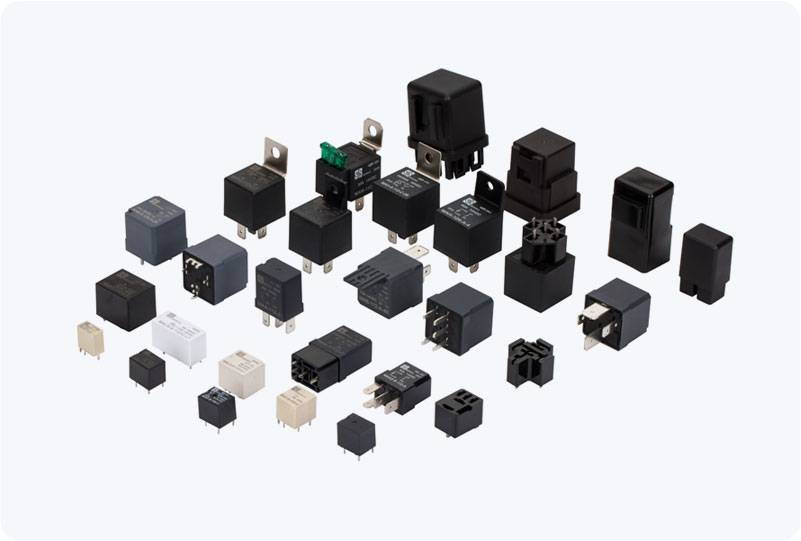
What is an IGBT-Based HV Relay? An IGBT-based HV relay is a type of electrical relay that utilizes the IGBT, a semiconductor device, to switch high-voltage circuits. The IGBT itself is a combination of a field-effect transistor (FET) and a bipolar junction transistor (BJT). It offers the high input impedance of a MOSFET combined with the high current-carrying capability of a BJT. As a result, it can effectively manage large amounts of current while maintaining a relatively low gate drive requirement. In an IGBT-based HV relay, the IGBT acts as the switching element that opens and closes the high-voltage circuit. This type of relay is crucial in applications where frequent switching of high-voltage circuits is required, such as in power electronic devices, industrial automation systems, and electric motor controls.




 Chat Oline