understanding relay isolation and its importance in electrical systems
Release time:2025-12-01 20:57:54
Relay isolation is a critical concept in electrical systems, offering protection, noise reduction, and security. It plays a pivotal role in ensuring that different circuits, often with varying voltage levels, remain electrically isolated, thereby safeguarding both sensitive and high-voltage components from potential damage. This article will delve into the mechanics of relay isolation, its working principle, and the various applications that rely on its benefits in modern electrical and electronic designs.
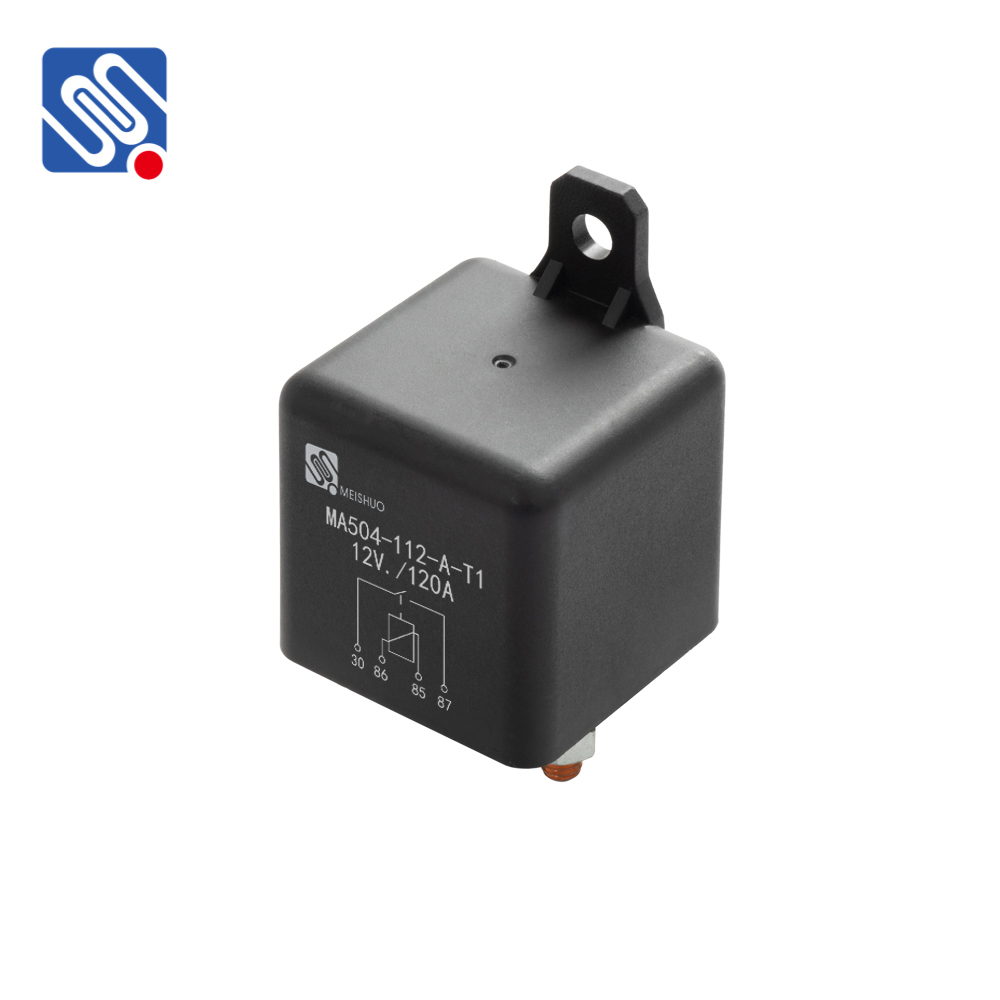
What is Relay Isolation? Relay isolation refers to the separation of two or more electrical circuits by using a relay to isolate them from each other. A relay is an electrically operated switch that uses an electromagnet to control the opening and closing of contacts. These contacts can switch between different electrical circuits while maintaining a clear separation between them. This isolation ensures that signals or electrical energy in one circuit do not directly flow into another, reducing the risk of electrical faults and enhancing system stability. The main function of relay isolation is to provide electrical separation between different parts of a system, especially when one part of the system operates at a higher voltage than the other. The relay's switching mechanism allows for control without direct electrical contact between the circuits. This isolation prevents issues such as ground loops, electrical surges, and interference, making relay isolation a crucial tool for a wide range of applications.




 Chat Oline