understanding the importance of ro solenoid valve in water treatment systems
Release time:2025-12-02 01:36:39
Reverse Osmosis (RO) systems have become a crucial part of water treatment processes, offering a highly effective solution for purifying water. One of the unsung heroes in these systems is the RO solenoid valve, a device that plays a significant role in controlling water flow and ensuring the system operates efficiently. This article delves into the function, working principle, and application of RO solenoid valves, highlighting their importance in maintaining the optimal performance of reverse osmosis systems.
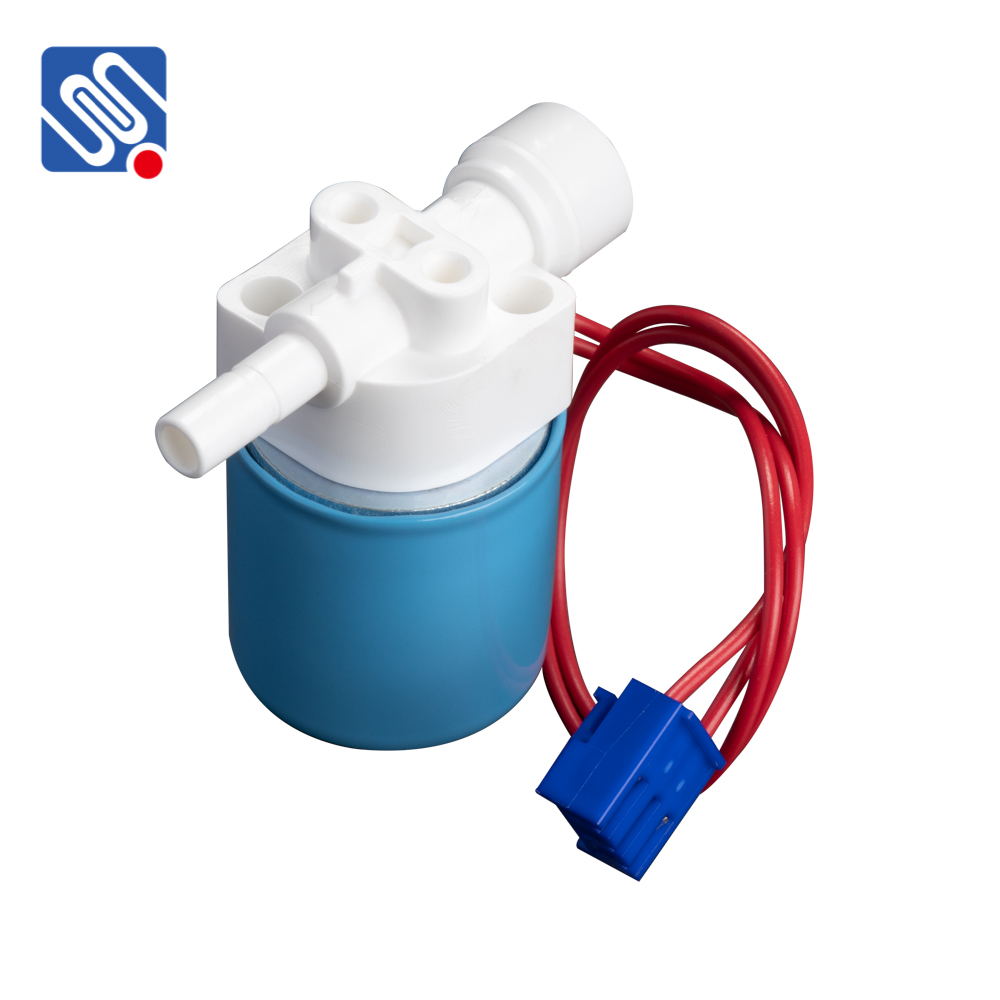
What is an RO Solenoid Valve? An RO solenoid valve is an electrically operated valve used in reverse osmosis water treatment systems to regulate water flow. It is typically positioned in the incoming or outgoing water line of the RO system, where it acts as a control mechanism to manage the flow of water through the filtration process. The valve opens or closes depending on the electrical signal it receives, enabling or halting the passage of water as required. These valves are available in two main types: normally closed (NC) and normally open (NO). In a normally closed valve, the valve remains shut when no electricity is applied, and it opens when an electric current is passed through the solenoid coil. Conversely, a normally open valve is open by default and closes when an electrical signal is applied.




 Chat Oline