understanding the importance of reverse osmosis solenoid valve in water treatment systems
Release time:2025-12-02 05:13:45
Reverse Osmosis (RO) systems are widely used in water treatment applications to produce high-quality purified water by removing contaminants, including salts, heavy metals, and other impurities. One critical component in these systems is the Reverse Osmosis Solenoid Valve. This small yet essential device plays a significant role in the efficient functioning of RO systems, ensuring proper water flow regulation and system performance. In this article, we will explore the working principles, applications, and importance of the Reverse Osmosis Solenoid Valve in water filtration systems.
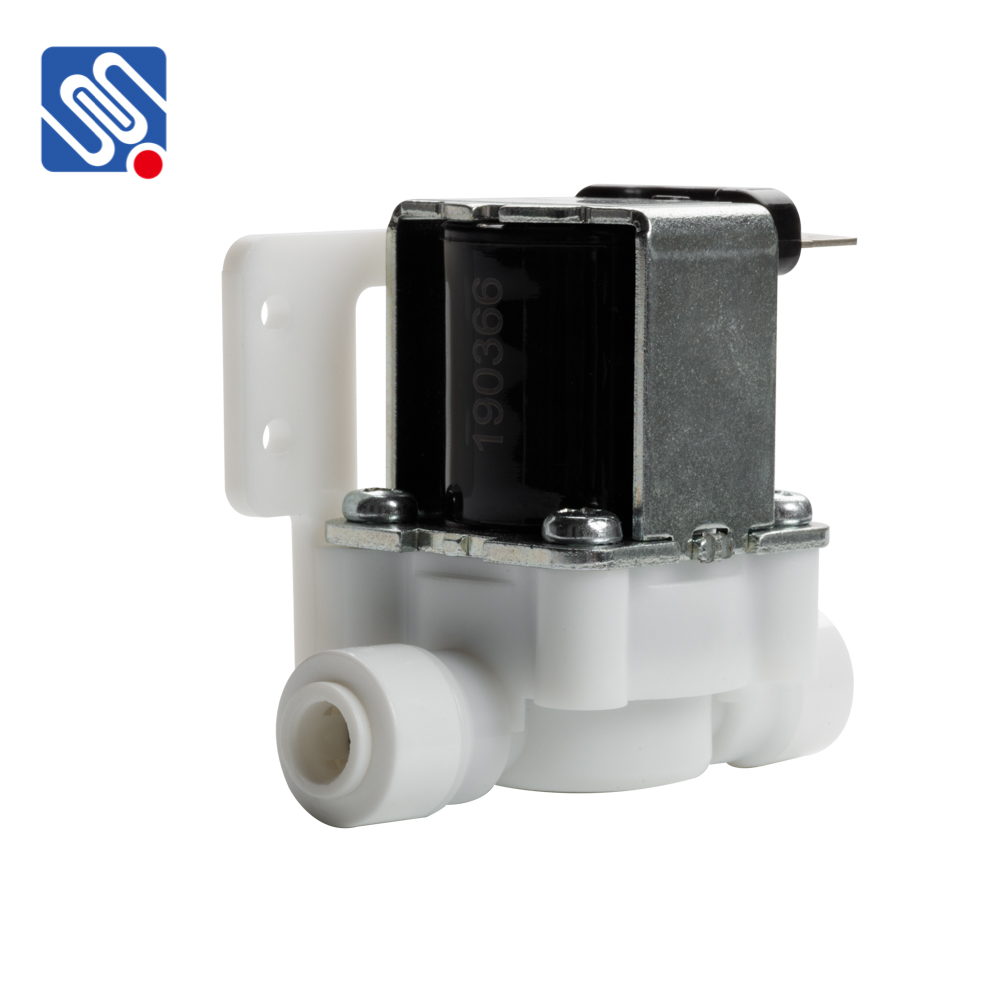
What is a Reverse Osmosis Solenoid Valve? A Reverse Osmosis Solenoid Valve is an electrically controlled valve used to regulate the flow of water in an RO system. These valves are designed to open or close based on electrical signals, enabling automatic control of water flow to or from the system. Typically, they are used to control the flow of water into the RO membrane or manage waste water during the filtration process. The solenoid valve consists of an electromagnet that, when energized, creates a magnetic field strong enough to pull or push a plunger, which either opens or closes the valve. By doing so, it allows for precise control over the water flow, which is essential in maintaining the overall efficiency of the RO system.




 Chat Oline