understanding relay technology: its applications and impact on modern systems
Release time:2025-12-02 19:32:17
Relay technology plays a fundamental role in modern electrical and electronic systems, enabling a wide range of applications, from industrial automation to home appliances and automotive electronics. A relay is essentially an electrical switch that allows one circuit to control another, often isolating control and power circuits for safety, efficiency, and reliability. In this article, we will explore the working principles of relays, their types, and how they are used in various industries to optimize performance and enhance safety.
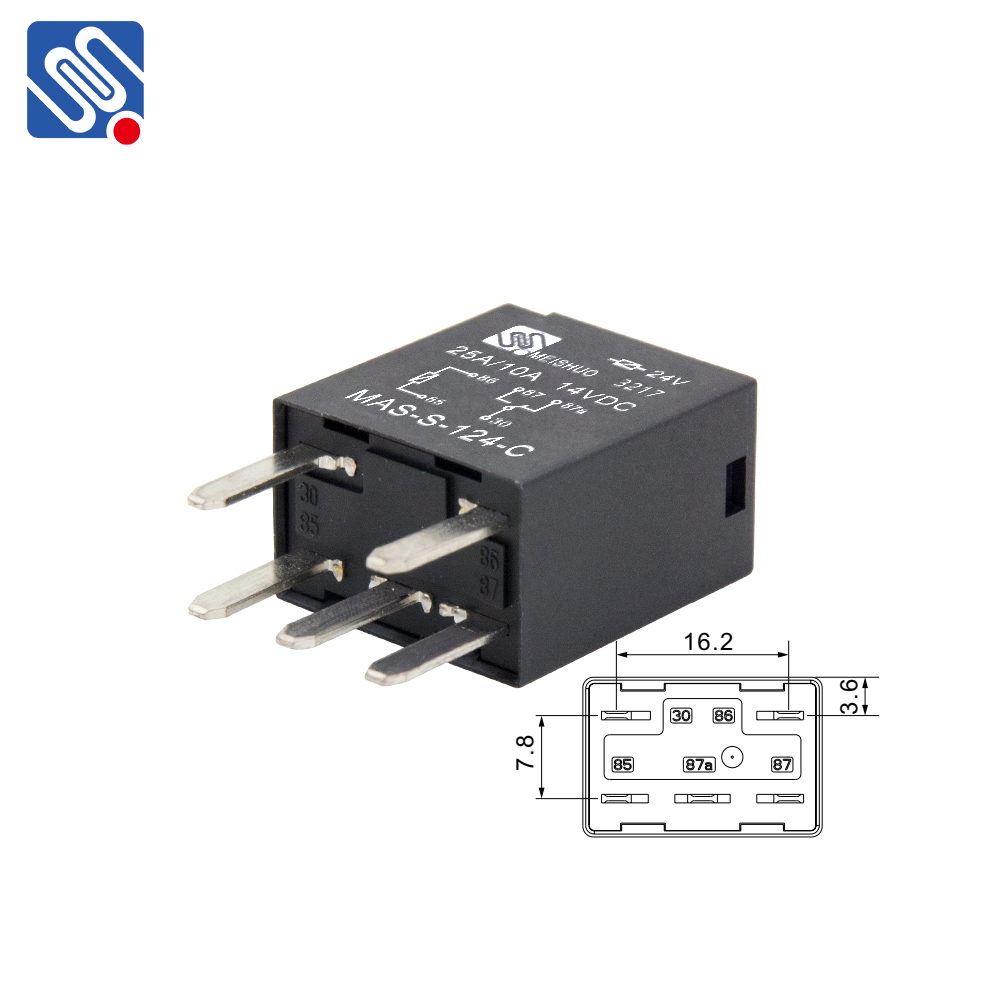
What is Relay Technology? A relay is an electromagnetic switch that uses an electromagnet to open or close a set of contacts in an electrical circuit. When an electrical current flows through the coil of the relay, it generates a magnetic field that activates a lever mechanism, either opening or closing the contacts. This action enables the relay to control the flow of electrical power in a separate circuit without direct mechanical contact between the control and power circuits. Relays come in various designs and configurations to meet specific requirements. The simplest form, called an electromechanical relay, consists of a coil, armature, contacts, and a spring. When the coil is energized, it attracts the armature, changing the state of the contacts. When the current is removed, the spring returns the armature to its original position, thereby deactivating the circuit.




 Chat Oline