latching relay: a key component for energy-efficient control systems
Release time:2025-12-03 01:44:15
Latching relays, also known as bistable relays, are unique electrical components that offer remarkable energy efficiency and reliability in various automation and control applications. Unlike conventional relays that require a constant flow of electricity to maintain their state, latching relays retain their position without the need for continuous power. This feature makes them highly suitable for systems that need to preserve their status for extended periods while minimizing power consumption.
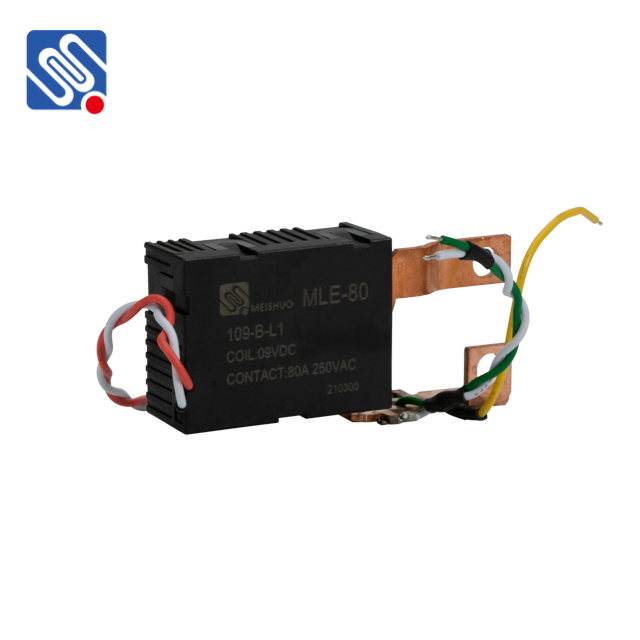
What is a Latching Relay? A latching relay is a type of relay that has two stable states: a "set" state and a "reset" state. Once activated, it stays in the last state it was switched to until a signal is sent to change it. The core of a latching relay consists of two magnetic coils: one for switching the relay to the "set" position and another for switching it to the "reset" position. Once the relay is switched to one of these positions, it can hold the state indefinitely without drawing additional current, making it highly energy-efficient. The ability to "latch" into a position without continuous power consumption distinguishes the latching relay from traditional electromechanical relays, which require constant electrical energy to maintain their contact state. This characteristic of latching relays is especially beneficial in applications where reducing energy consumption is a critical factor.




 Chat Oline