


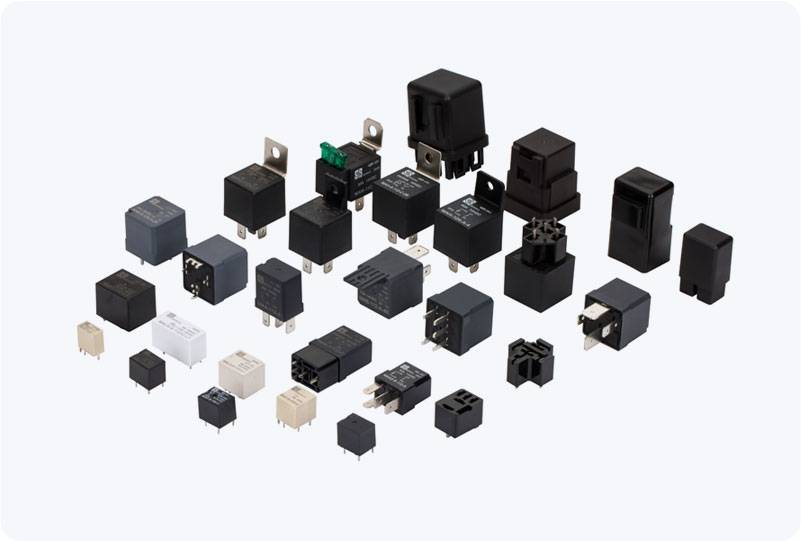
The rise of electric vehicles (EVs) has sparked significant changes in the automotive and energy sectors, particularly in the infrastructure required to support these vehicles. One of the essential components in EV charging systems is the relay. A relay in an electric vehicle charging station controls the flow of electricity to the vehicle’s battery, ensuring that the charging process is safe and efficient. As the demand for EVs increases, so does the need for reliable and standardized components. This is where the IEC 61811 EV Relay comes into play. This international standard outlines the requirements for relays used in electrical systems, including EV charging applications, to ensure their safety, reliability, and performance.

 Chat Oline