relay production: a key concept in modern manufacturing and supply chain systems
Release time:2025-12-03 19:16:16
Relay production is an essential concept in various industries, particularly in manufacturing and supply chain management. The term "relay" in this context refers to the seamless transition of materials, products, or operations from one stage to another, ensuring continuous and efficient production. Whether it involves automated machinery, workers, or logistics, relay production optimizes workflows and ensures that the production process runs smoothly from start to finish. This article explores the significance of relay production, its application across different sectors, and how it enhances the efficiency of modern systems.
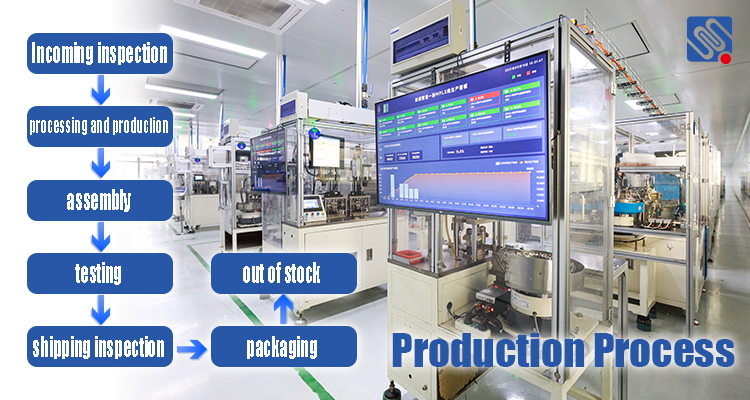
Understanding Relay Production At its core, relay production refers to the process of transferring tasks, materials, or information between different stages of a production system. This term is often used in the context of automation, where machines or robots take on the role of transferring items between various production stages. However, it is also relevant in manual processes where workers pass on materials or information for further processing or assembly. In an automated production line, relay production may involve a series of interconnected systems. For instance, one machine completes a certain task (such as assembling a component or molding a product), and once finished, the item is transferred to another machine for the next step, such as quality checking or packaging. The smooth handoff between machines, workers, or processes ensures that there are no delays, minimizing downtime and improving overall productivity.




 Chat Oline