stainless steel and plastic solenoid valve: choosing the right material for your fluid control needs
Release time:2025-12-04 04:11:35
Solenoid valves are essential components in modern fluid control systems, functioning as electromechanical devices that regulate the flow of liquids and gases. The core principle behind their operation involves an electric current passing through a coil to generate a magnetic field that either opens or closes the valve. Depending on the materials used to construct these valves, they are categorized into different types, each offering distinct advantages for specific applications. In this article, we will explore two common types of solenoid valves: stainless steel and plastic solenoid valves, and discuss the factors to consider when choosing between them.
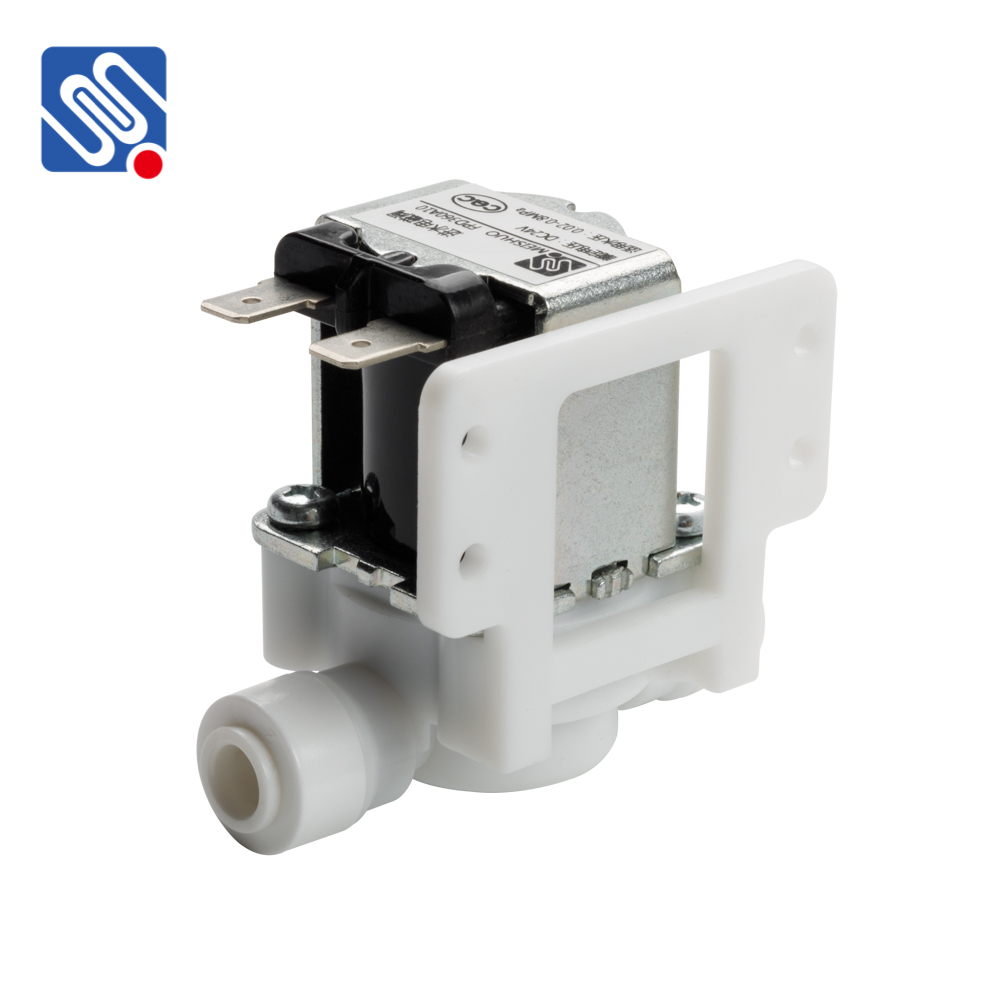
Stainless Steel Solenoid Valves: Durability and Performance Stainless steel solenoid valves are known for their exceptional durability and corrosion resistance, making them a popular choice in industries where harsh conditions are present. These valves are typically used in systems where fluids are aggressive, such as chemicals, oils, or high-temperature steam. Here are some key benefits of stainless steel solenoid valves: Corrosion Resistance: Stainless steel has a strong resistance to corrosion, which is crucial when handling aggressive or corrosive fluids. This makes stainless steel solenoid valves ideal for industries like chemical processing, food and beverage, and pharmaceuticals.




 Chat Oline