a comprehensive guide to dual relay module: applications, features, and benefits
Release time:2025-12-04 08:20:26
The Dual Relay Module is an essential electronic component in many DIY and industrial automation projects. This versatile module allows users to control high-voltage devices using a low-voltage microcontroller, such as an Arduino, Raspberry Pi, or ESP32. In this article, we’ll dive into what a Dual Relay Module is, how it works, its various features, and common applications.
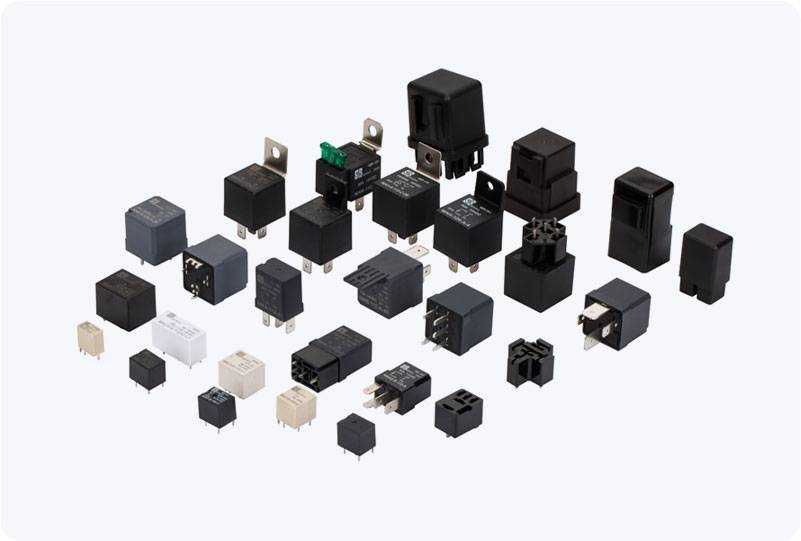
What is a Dual Relay Module? A Dual Relay Module is a compact and convenient module that contains two separate relays. Each relay on the module can switch high-voltage devices (such as lights, motors, or home appliances) using a low-voltage signal from a microcontroller or other low-power logic device. Typically, these modules operate on 5V or 12V DC and are equipped with inputs for controlling the relays, as well as outputs for switching the connected high-voltage devices on and off. The key advantage of using a Dual Relay Module is its ability to handle high current and voltage, making it ideal for controlling electrical devices that require more power than a microcontroller can provide directly.




 Chat Oline