relay failure modes in cars: understanding common issues and solutions
Release time:2025-12-04 17:47:24
Relays are crucial components in modern vehicles, playing an essential role in managing electrical systems efficiently. These electromagnetic switches control high-current devices such as the starter motor, lights, and air conditioning systems, using low-current control signals. However, like all mechanical and electrical components, relays can fail over time due to various factors. Understanding common relay failure modes can help drivers, mechanics, and automotive engineers diagnose issues effectively and ensure a vehicle remains in optimal working condition.
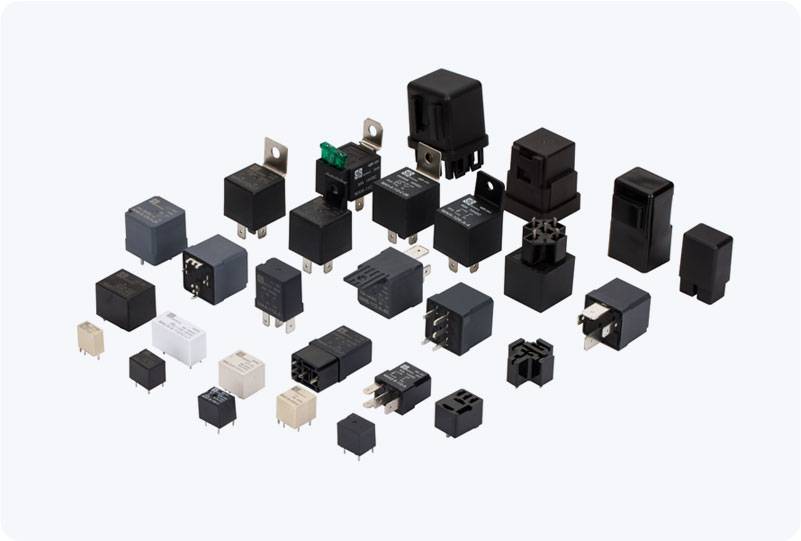
1. Contact Burnout or Damage One of the most common failure modes of a relay is the burnout or damage of its contacts. Relays are designed to handle electrical currents, but when they are subjected to high currents for prolonged periods, or if they are used beyond their rated capacity, the contacts can overheat. This overheating leads to the formation of electrical arcs, which can burn the contact surfaces. Once the contacts are burned or pitted, the relay will fail to close the circuit properly, causing the electrical device it controls to stop functioning. Solution: Regular maintenance and inspection of relay contacts can help identify signs of wear and tear. Upgrading to a relay with a higher current rating may also prevent this issue in applications with high power demands.




 Chat Oline