understanding the 24v 30a relay: a key component in electrical systems
Release time:2025-12-04 20:57:19
The 24V 30A relay is an essential component in modern electrical systems, offering a reliable method to control high-power devices using low-power signals. It is particularly valuable in applications where electrical circuits need to switch large currents without direct human intervention. This article explores the functionality, applications, and advantages of the 24V 30A relay in various industries, including automotive, automation, and home appliances.
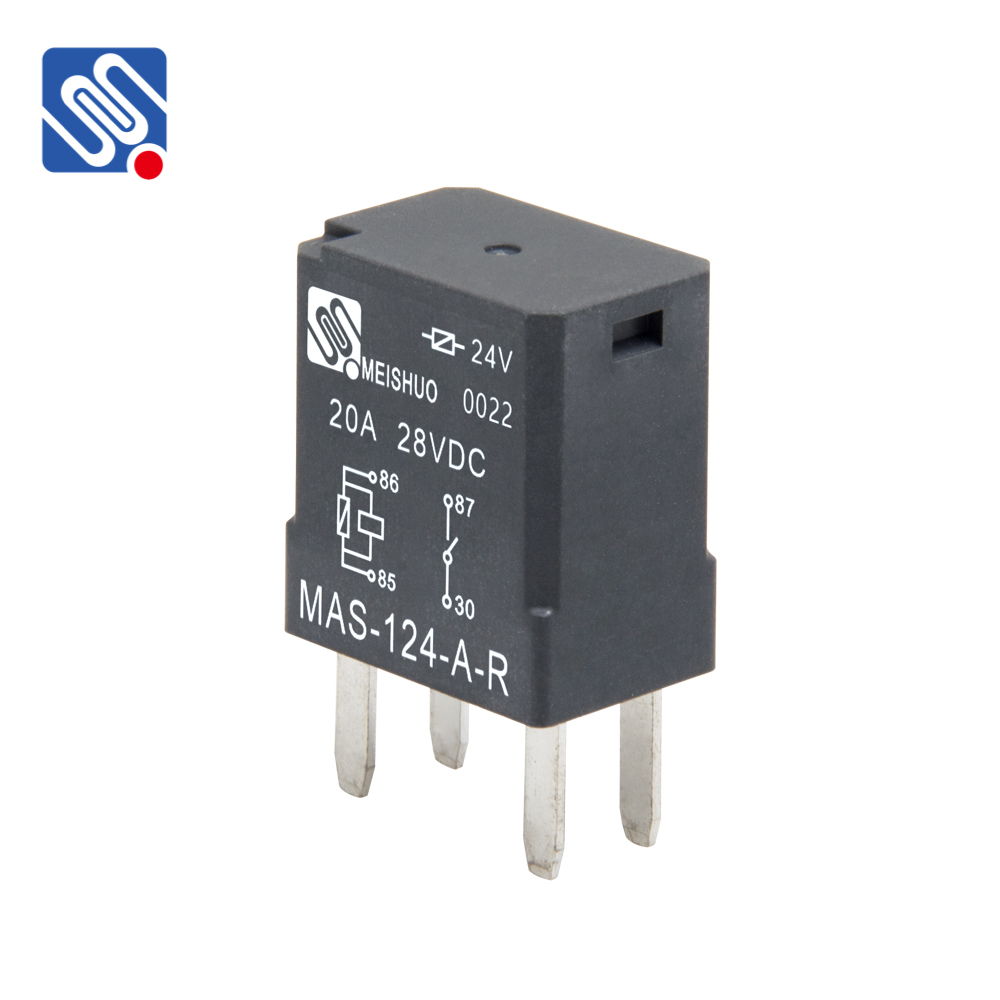
What is a 24V 30A Relay? A relay is an electromechanical switch that uses an electromagnetic coil to open or close a set of contacts. The 24V 30A relay is designed to operate with a 24V DC (direct current) control signal and can handle a load of up to 30 amps. This means that it can be used to control circuits that require a high current, such as motors, heaters, or other large appliances, without the need for a high-current control system. How Does It Work? The 24V 30A relay operates through a simple principle of electromagnetic induction. When a 24V DC signal is applied to the relay's coil, the electromagnetic field created by the coil attracts a movable armature, which in turn causes the relay's contacts to either open or close. This action enables the relay to either connect or disconnect the power to the load circuit, depending on the design of the relay (whether it is a normally open or normally closed contact type).




 Chat Oline