understanding the plc control relay: applications, functionality, and benefits
Release time:2025-12-05 04:53:21
The PLC Control Relay is a crucial component in modern industrial automation systems. It combines the capabilities of a programmable logic controller (PLC) with the switching functionality of a relay to control various electrical circuits and machinery. This article will explore the importance of PLC control relays, how they work, their applications, and the advantages they bring to industrial automation.
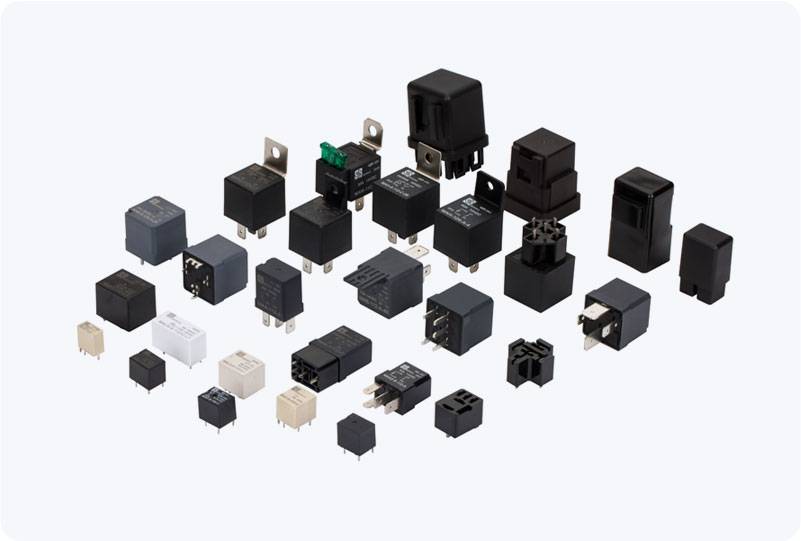
What is a PLC Control Relay? A PLC Control Relay is a combination of a Programmable Logic Controller (PLC) and an electrical relay. The PLC, a sophisticated control system that executes a sequence of operations based on user-defined programming, sends control signals to a relay. The relay, in turn, switches electrical circuits on or off to control high-voltage or high-current devices like motors, pumps, and lights. Relays act as electrical switches, but they can handle much higher loads than the PLC's internal circuits can directly manage. Since PLCs typically operate on low-voltage signals (24V or 48V), they cannot directly control powerful devices, such as large motors. This is where relays come into play. They act as an intermediary, allowing the PLC to control higher-power circuits without the need for complex or bulky switches.




 Chat Oline