understanding safety relay sil 3: ensuring high-level safety in industrial systems
Release time:2025-12-05 13:38:45
Safety is paramount in industries where hazardous processes are involved, and any malfunction can result in catastrophic consequences. To prevent such risks, safety systems are designed to meet specific reliability standards. One of the critical components in these safety systems is the Safety Relay SIL 3. This article delves into the concept of Safety Relay SIL 3, its significance, functionality, and applications in high-risk industries.
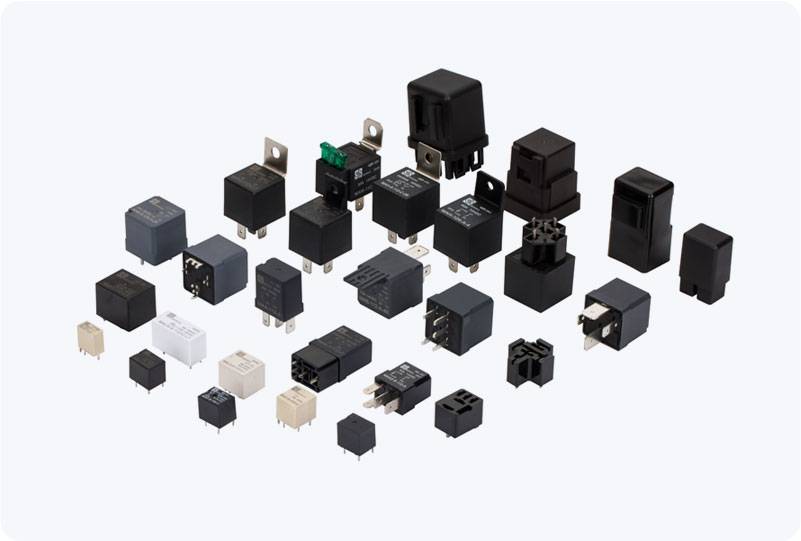
What is Safety Relay SIL 3? The Safety Integrity Level (SIL) is a measure used to assess the reliability and safety of control systems, particularly in safety-related applications. SIL levels range from 1 to 4, with SIL 4 being the highest level of safety. SIL 3, in particular, indicates a high degree of safety integrity. It is a standard defined by IEC 61508 and IEC 61511, which are international safety standards for electrical, electronic, and programmable electronic systems used in safety-related applications. In simple terms, Safety Relay SIL 3 refers to a relay system designed to provide a high level of safety by ensuring that, even in the case of a failure, the system can still function in a way that minimizes risks to human life, equipment, and the environment. Safety Relay SIL 3 ensures that the probability of failure is low enough to meet stringent safety criteria. Specifically, it guarantees that the risk of hazardous events occurring due to system failure is reduced to an acceptable level, typically a failure rate of fewer than one in a hundred thousand occurrences per year.




 Chat Oline