latching relay for power systems: enhancing control and reliability
Release time:2025-12-05 17:35:57
Latching relays, also known as bistable relays, are widely used in power systems for their unique ability to retain a switched state without the need for continuous power supply. This feature makes them an ideal choice for applications that require memory functionality and power efficiency. In power systems, the reliable control of electrical equipment is crucial, and latching relays offer several advantages in terms of both performance and efficiency. This article delves into the role and applications of latching relays in power systems.
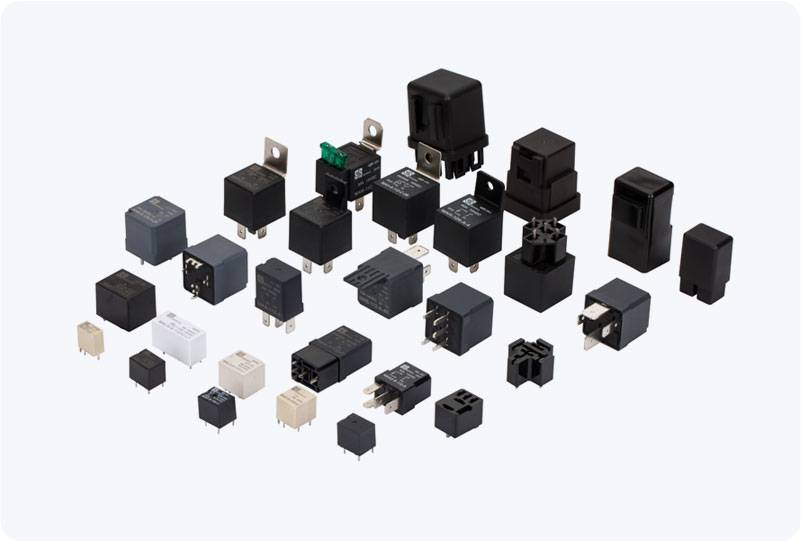
What is a Latching Relay? A latching relay is a type of relay that maintains its position (either open or closed) even after the control signal is removed. Unlike conventional relays, which require a continuous power supply to stay in a particular state, a latching relay retains its state until another control signal is applied to change it. This ability to "remember" its last state makes it particularly useful in applications where power conservation or memory retention is important. There are two main types of latching relays: mechanical latching relays and solid-state latching relays. The mechanical latching relay uses a magnetic latch or mechanical mechanism to hold the relay’s state, while the solid-state latching relay relies on electronic components to achieve the same result. Both types offer benefits in terms of energy savings and system efficiency, but solid-state latching relays are often preferred for their durability and faster response times.




 Chat Oline