


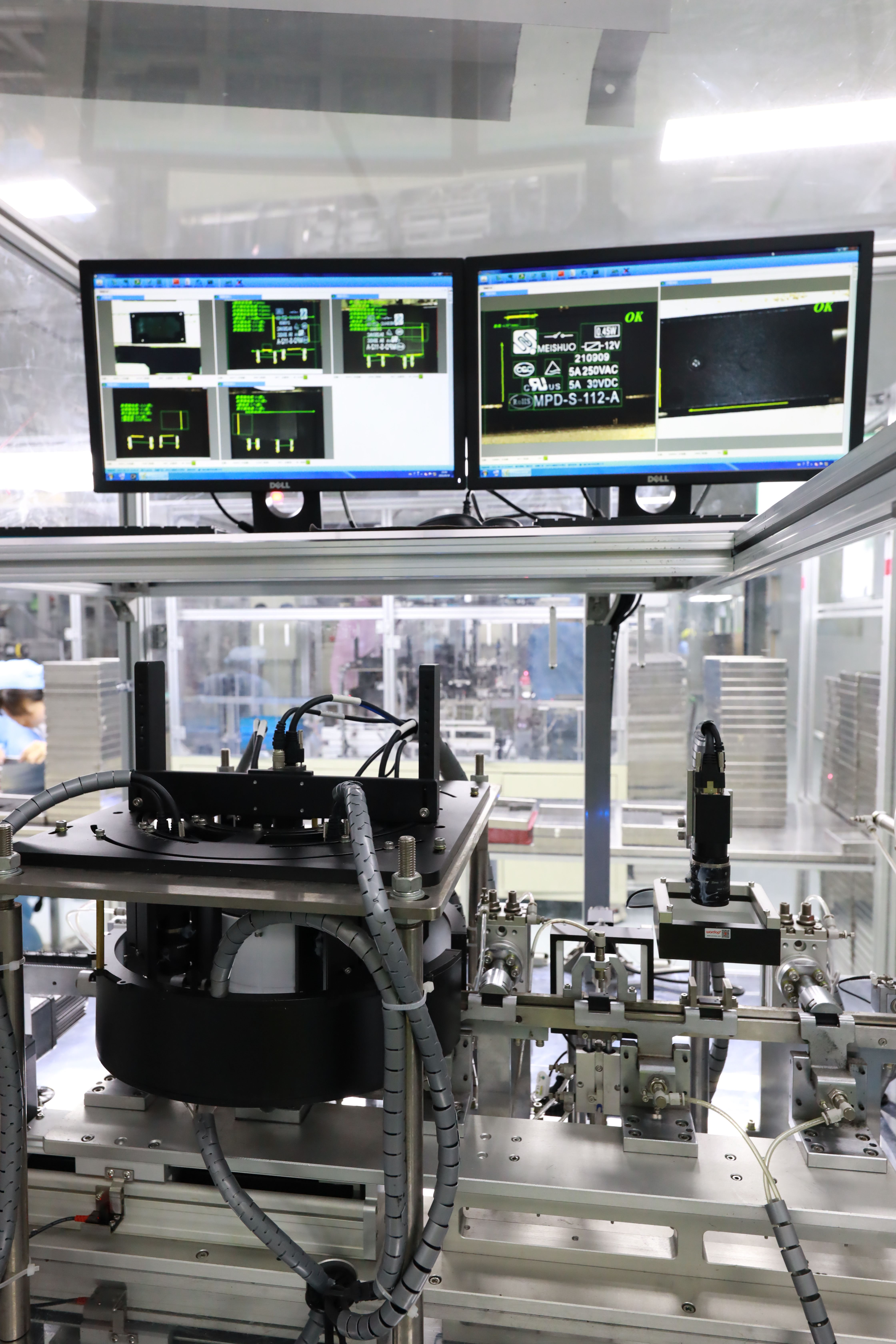
Relay production technology is an essential aspect of modern electrical engineering and electronics manufacturing. Electromagnetic relays are crucial components that function as electrically operated switches, enabling or interrupting the flow of electrical current based on external signals. These relays play a critical role in automation systems, control circuits, safety devices, and communication systems. The technology behind relay production involves a sophisticated and precise process, combining mechanical assembly, electronic components, and rigorous quality control. This article will explore the various steps involved in relay production technology, the importance of each stage, and how modern advancements are shaping the industry.

 Chat Oline