understanding the importance and applications of safety isolated relays
Release time:2025-12-05 19:01:14
A Safety Isolated Relay is a crucial component in modern industrial control systems, particularly in environments where safety, reliability, and operational continuity are of utmost importance. These relays offer a secure method to isolate control circuits from power circuits, ensuring that any electrical fault in one system does not jeopardize the safety or integrity of the other. In this article, we will explore the working principles, features, and applications of safety isolated relays, as well as their role in enhancing safety in industrial systems.
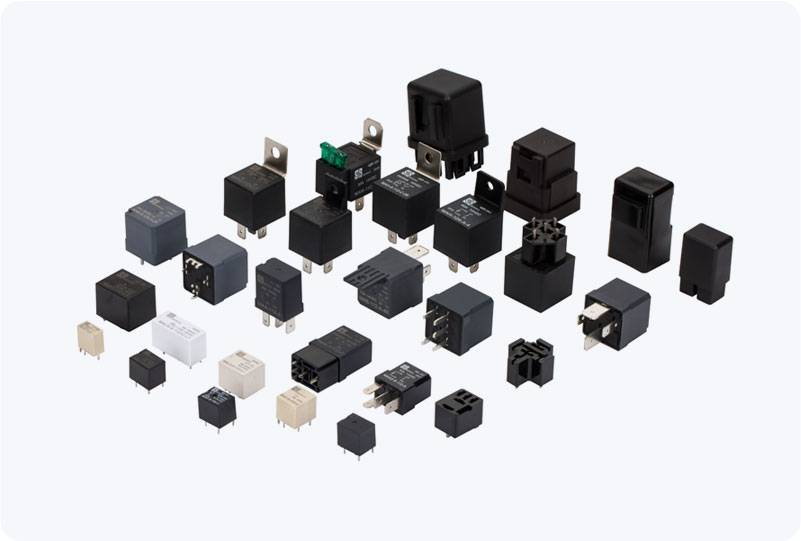
What is a Safety Isolated Relay? A Safety Isolated Relay is an electromechanical or solid-state relay that is specifically designed to provide electrical isolation between its input (control) and output (load) circuits. Electrical isolation means that there is no direct electrical connection between these circuits, which helps prevent faults from spreading and allows for safe operation of both systems. Typically, safety isolated relays use components like transformers, optocouplers, or magnetic isolators to achieve this isolation. The primary function of these relays is to protect low-voltage control circuits from high-voltage or hazardous loads. They are commonly used in systems where personnel or equipment need to be safeguarded from dangerous electrical conditions, such as industrial automation systems, safety-critical machinery, and emergency shutdown processes.




 Chat Oline