understanding relay circuit design: key concepts and applications
Release time:2025-12-05 19:48:44
Relay circuits are fundamental components in the world of electrical and electronic systems. Whether it’s for controlling high-voltage devices with low-voltage signals or for automating complex systems, relay circuits play a crucial role in modern electronics. In this article, we will explore the core concepts, principles, and practical applications of relay circuit design.
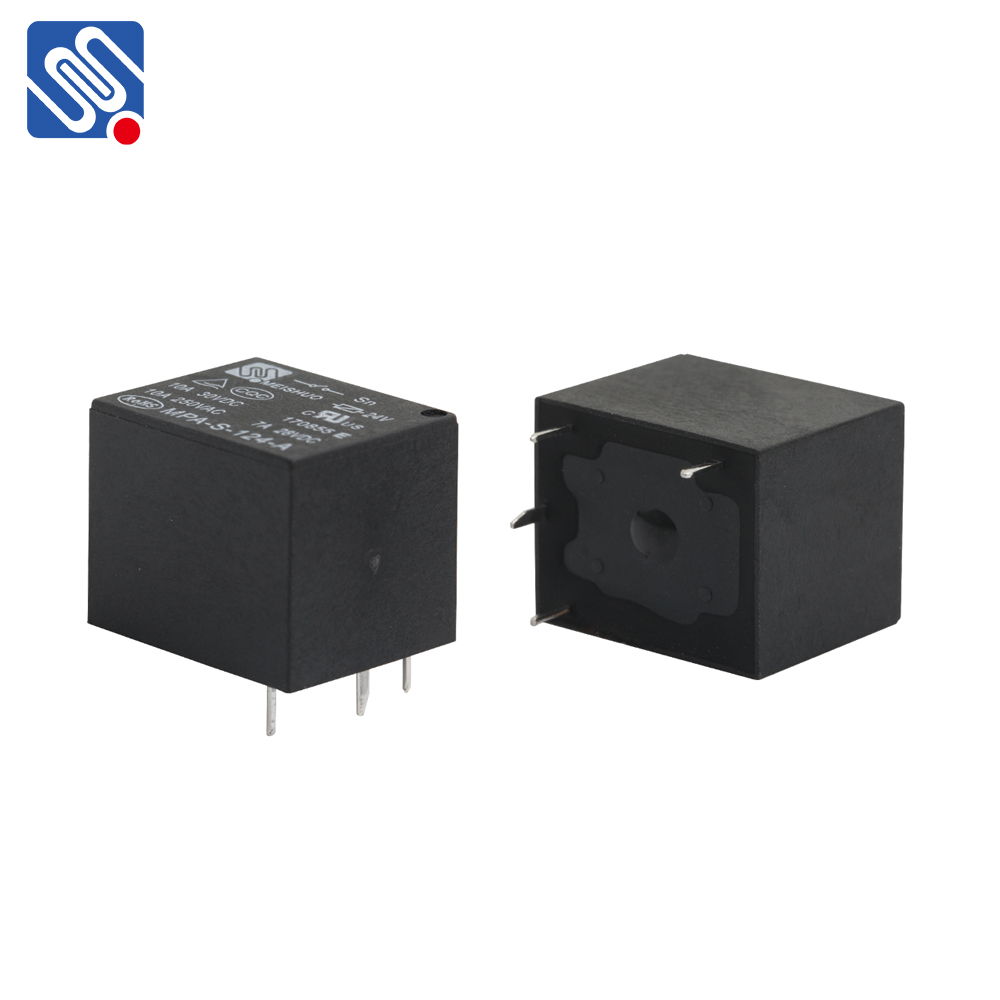
What is a Relay? A relay is an electrically operated switch that allows a low-power signal to control a high-power circuit. Typically consisting of a coil, an armature, and a set of contacts, a relay uses electromagnetic induction to either open or close the circuit. When an electric current flows through the relay’s coil, it creates a magnetic field that causes the armature to move, which in turn changes the state of the relay’s contacts. Key Components of a Relay Circuit Relay Coil: The coil is the electromagnet that is activated when current flows through it. The magnetic field produced by the coil moves the armature, which in turn controls the contacts.




 Chat Oline