understanding general-purpose relay: a versatile electrical component
Release time:2026-01-05 02:49:58
In the realm of electrical and electronic engineering, the general-purpose relay stands out as a fundamental component used in numerous applications, from household appliances to industrial machinery. This versatile device, despite its simplicity, plays a crucial role in controlling large power circuits or high-voltage systems using low-power signals. This article delves into the structure, working principles, applications, features, advantages, and considerations in the selection of general-purpose relays.
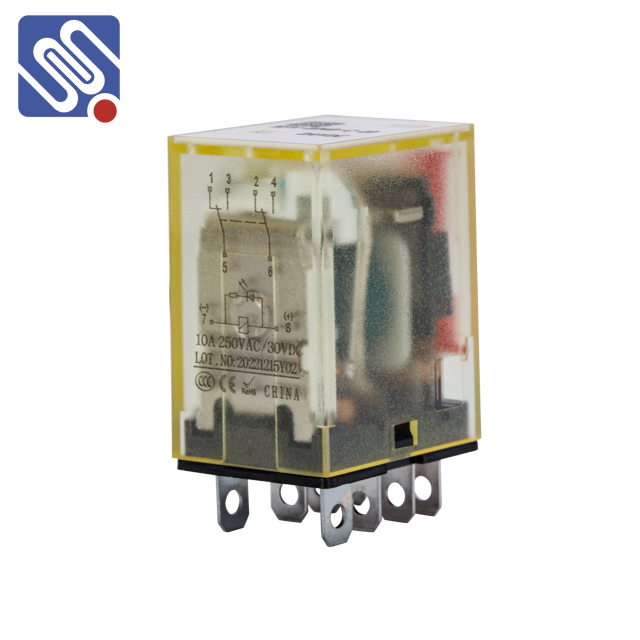
Structure of a General-purpose Relay
A typical general-purpose relay consists of several key components. At its core is the coil, which, when energized, generates a magnetic field. This magnetic field activates the armature, a movable part that connects the relay's contacts. The relay features two types of contacts—normally open (NO) and normally closed (NC). When the relay is not energized, the NO contacts remain opened, while the NC contacts remain closed. Another crucial component is the spring, which returns the armature to its original position when the coil is de-energized. This simple yet effective design allows relays to operate efficiently in various environments.




 Chat Oline