understanding solenoid valve for liquid control: applications, mechanism, and benefits
Release time:2026-01-05 04:50:45
Solenoid valves play a vital role in the automation of fluid control systems, particularly for liquid management across various industries. A solenoid valve for liquid control is an electromechanical device that employs a coil and plunger mechanism to regulate the flow of liquids. Understanding the working principle, applications, and benefits of solenoid valves can help industries optimize their operations and improve efficiency.
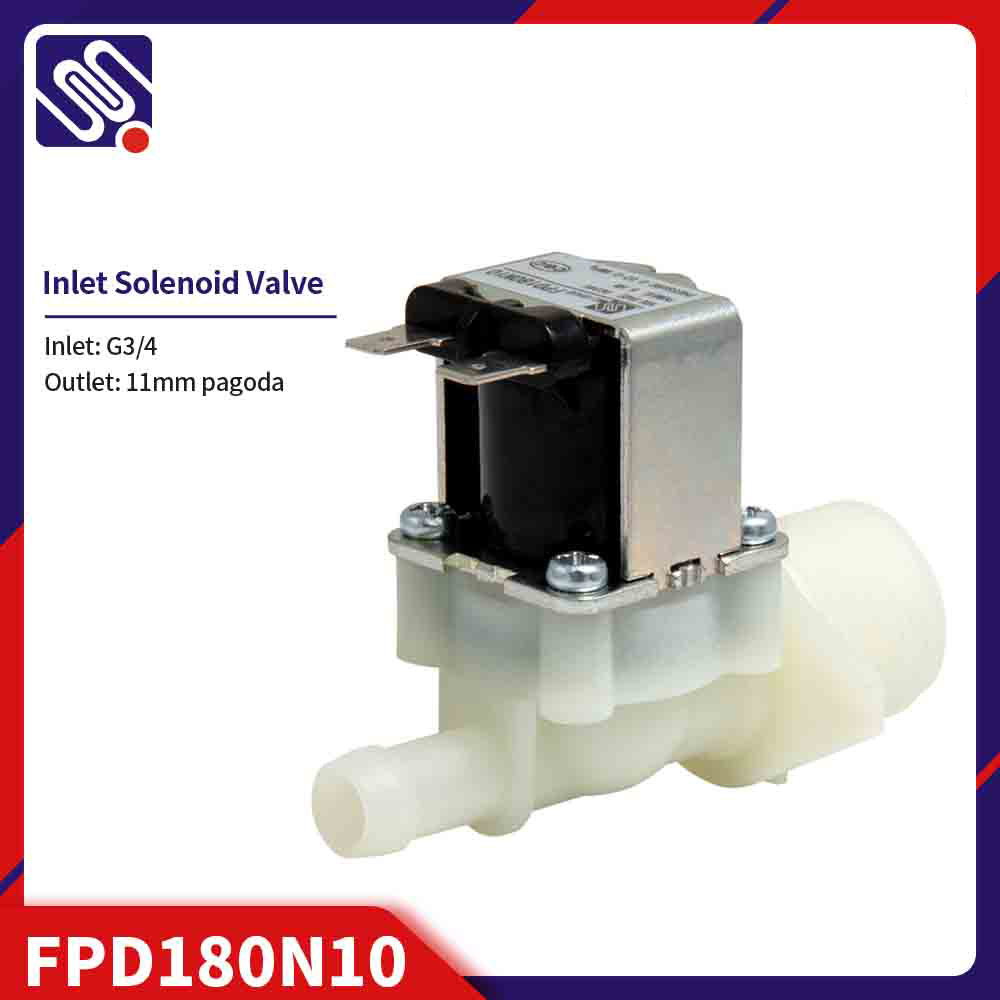
Working Principle of Solenoid Valve
At its core, a solenoid valve consists of an electromagnetic coil, a valve body, and a movable element such as a plunger or diaphragm. The valve operates on the principle of electromagnetism. When electrical current passes through the coil, it generates a magnetic field, which either opens or closes the valve, depending on its design.
Electromagnetic Coil: The coil is made of copper wire and can be energized to create a magnetic field.
Plunger or Diaphragm: This component moves in response to the magnetic field, allowing or obstructing the flow of liquid.




 Chat Oline