understanding rohs compliant solenoid valves: a step towards a greener future with meishuo
Release time:2025-12-06 04:33:27
In today's industrial world, environmental sustainability and compliance with safety regulations have become essential considerations for manufacturers and engineers. One of the key regulatory standards that has gained worldwide attention is the Restriction of Hazardous Substances (RoHS) directive. RoHS compliance is particularly important in the field of solenoid valves, and companies like Meishuo have made significant strides in offering RoHS compliant solenoid valves that meet both regulatory requirements and environmental standards. This article explores the importance of RoHS compliant solenoid valves, with a focus on the contribution of Meishuo in this field.
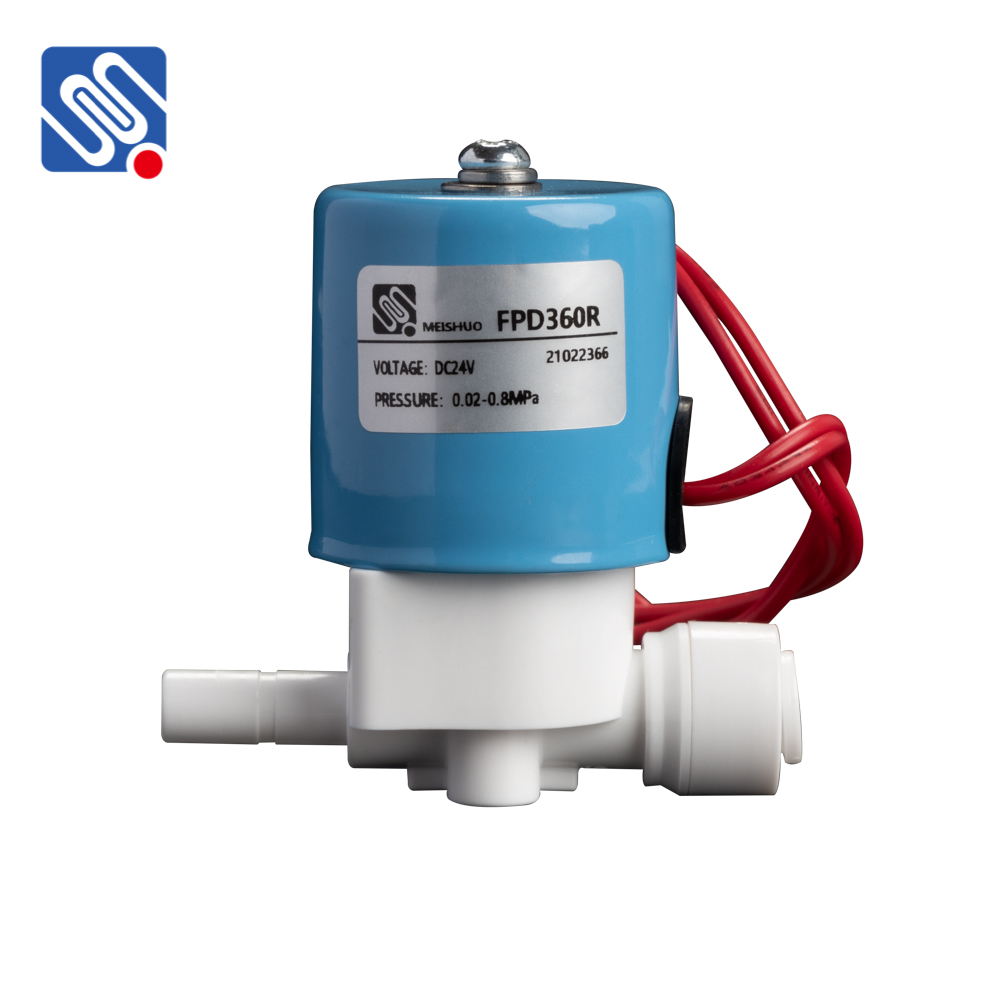
What is RoHS Compliance? The RoHS directive, implemented by the European Union, restricts the use of certain hazardous materials in electrical and electronic equipment. These materials include lead, mercury, cadmium, hexavalent chromium, polybrominated biphenyls (PBB), and polybrominated diphenyl ethers (PBDE), all of which pose risks to both human health and the environment. The aim of RoHS compliance is to reduce the environmental impact of electronics waste (e-waste) by minimizing the use of toxic substances in manufacturing processes. For solenoid valves, this means ensuring that the materials used in the valve’s construction—such as metals, plastics, and coatings—do not contain these harmful substances. RoHS compliant solenoid valves not only adhere to these legal requirements but also help companies avoid penalties, ensure product safety, and contribute to global efforts to create a cleaner and safer environment.




 Chat Oline